Tech Insights
SYSTEM // PUBLISHED: 045 // FRONTIER AGENTIC COMPUTING READOUTS

Nango: The Code-First Integration Platform for the AI Agent Era — And How It Compares to Composio
An architectural comparison and integration guide for AI Agent platforms. We analyze the code-first integration runtime Nango alongside the tool gateway Composio, exploring how their philosophies differ (catalog vs. code). We introduce a tiered hybrid architecture that leverages Composio for breadth and Nango for depth (custom REST proxying, background syncs, webhooks, and custom MCP tools).
Read Full Article →
AI-Powered Multi-Platform Publishing: A 3-Layer Decoupled Architecture with Composio Connect and MCP
An in-depth guide to building a production-grade multi-platform AI publishing system. It demonstrates how to decouple the distribution workflow into three orthogonal layers: Composio Connect (handling OAuth authentication), Composio MCP (executing API actions), and Multi-Agent Orchestration (tailoring content style and safety rules for platforms like Reddit and YouTube). Includes architecture diagrams and complete code patterns.

Comparing Claude Code Native Auto Memory and MCP claude-mem: Architectural Analysis and Configuration Guide
A detailed comparison between Claude Code's native Auto Memory and the MCP-based claude-mem (cmem). It breaks down their storage, retrieval, and syncing differences, and explains why enabling both at the same time leads to AI cognitive dissonance and massive token inflation.

Building a Purely Local Marketing Ops System with Composio + MCP: A Deep Dive into Content Gen, Publishing Strategies, and Multi-Channel Management
A comprehensive guide to building a purely local marketing operations system using Composio and Model Context Protocol (MCP). By combining cloud-based platform integrations, standardized local tool clients, and a local SQLite strategy engine, this project enables secure cross-platform marketing with zero additional API costs and zero credential leakage risks.

A Real Case Study: Why My Claude 5x Max Account Got Suspended After Consuming 2 Billion Tokens
A first-person case study of a Claude 5x Max account suspension on June 30th. Despite using a highly stable private Canadian VPS routed through a GL-MT3000 hardware gateway, the account was suddenly locked and refunded after an unexpected 30-minute rate limit depletion. This post investigates the top risk-control vectors: high token usage (2 billion tokens in 2 weeks triggering distillation flags), browser timezone mismatch (Asia/Hong_Kong vs. CA IP), and high Chinese language ratio, providing essential survival tips for power developers.

Breaking News: Claude Initiates Mass Account Bans on Chinese Users!
Anthropic recently banned 1.45M accounts and was caught embedding steganography in Claude Code to detect Chinese users. This article dissects the trust crisis, uncovers the hidden tracking mechanism, and provides a hands-on guide to configuring a bulletproof environment and building a multi-model backup workflow.

Letting an Agent Do the Marketing: How I Promote a Website with Composio + Claude
How to replace a costly traditional marketing stack with one MCP server and a Claude session. This article showcases the step-by-step setup using Composio's free tier and Claude to build backlinks, owned distribution channels, and a self-running content loop with a human-gated queue for 1000usdinchina.com.

Seamless Remote Access in China: A Portable Gateway Solution Using GL-MT3000, HomeProxy, and Mobile Hotspot
A practical, portable gateway-level network solution for remote professionals traveling back to China. By leveraging the GL-iNet GL-MT3000 router tethered to a mobile hotspot, HomeProxy (Sing-box) in TUN mode, and a WebSocket-based remote node, you can set up a client-free transparent proxy that bypasses local DNS pollution.

Run a Full-Stack SaaS Solo: Cloudflare is the Ultimate Foundation for One-Person Companies (From $5/mo)
For one-person companies and indie hackers, Cloudflare is the ultimate cost-performance stack: $5/mo Workers, free Pages, global edge network, D1 database, KV/R2 storage, edge caching, and built-in Workers AI. Using a real-world multilingual SaaS case study and mermaid architecture diagrams, we break down why it's powerful and where the pitfalls lie.
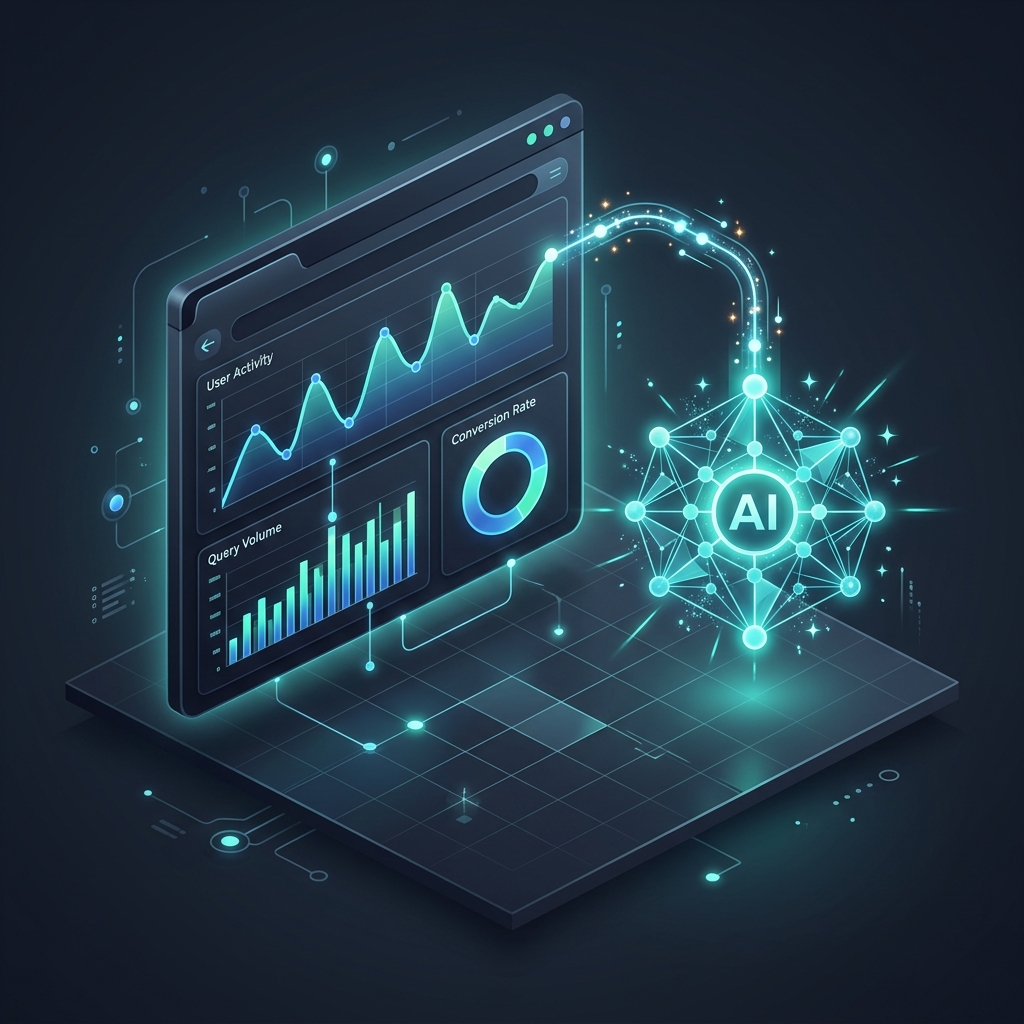
From Classic SEO to AI-Native GEO: How We Used Claude Code Skills to Automate and Optimize AgentUpdate.ai
A detailed, step-by-step case study showing how we utilized Claude Code's seo-audit-full and geo-content-optimizer skills to automate technical SEO audits and GEO optimization for AgentUpdate.ai, with before-and-after code and score comparisons for each step.
1000usdinchina.com Dev Retrospective (8) - Multilingual SEO & GEO: Sitemaps, llms.txt and AI-Citation
SEO and GEO for a 4-language edge app: hreflang, sitemaps, robots, llms.txt, AI-citation, and the surfaces you must update by hand.
1000usdinchina.com Dev Retrospective (7) - Solo Edge App CI/CD: Real-D1 Tests & Lighthouse Gates
How a solo dev ships a 100-city edge app: a 3-environment pipeline, real-D1 integration tests, and Lighthouse CI as a deploy gate.
1000usdinchina.com Dev Retrospective (6) - LLM Trip-Planner on a Free Tier: Qwen + Workers AI
How I built an AI trip-planner on Cloudflare Workers AI with Qwen for almost $0 — and the free-quota trap that burned production's neurons.
1000usdinchina.com Dev Retrospective (5) - Claude Code Workflow: Prompt, Context, Harness, Loop
How I shipped a 100-city app solo with Claude Code: the four disciplines of a reliable AI coding agent — prompt, context, harness, loop.
1000usdinchina.com Dev Retrospective (4) - Hand-Drawing an Interactive 100-City SVG Map of China
Why I built an interactive 100-city map of China in raw SVG instead of a map library — and the bug where every city turned into a black blob on zoom.
1000usdinchina.com Dev Retrospective (3) - Travel Data ETL: 4.5 GB of Raw Data to Clean City JSON
How I turned 4.5 GB of raw Chinese travel data into clean, compliant per-city JSON — an ETL pipeline whose aggregation never leaks shop data.
1000usdinchina.com Dev Retrospective (2) - Edge Serverless: Next.js 15 + Cloudflare Pages, D1 & Workers
How a travel app runs fully on the edge with Next.js 15, Cloudflare Pages, D1 and Workers: static/dynamic boundary, edge caching, i18n.
1000usdinchina.com Dev Retrospective (1) - China Travel Budget Estimator: 100 Cities, Built Solo
How much does a trip to China cost? A free China travel budget estimator covering 100 cities, built solo with an AI coding agent.
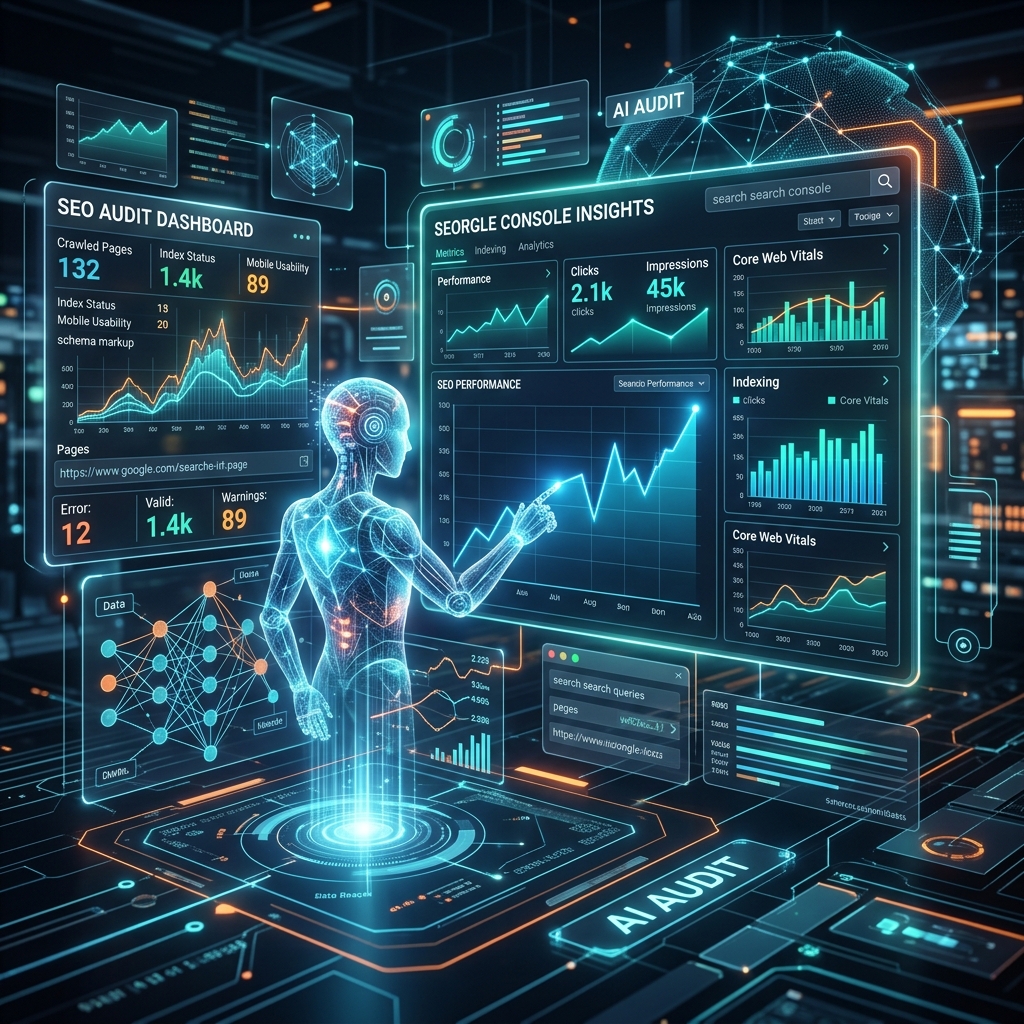
From GSC API to AI Era: Turn AI into Your Chief SEO Auditor using Model Context Protocol (MCP)
In the AI era, how to leverage Google Search Console (GSC) API and Model Context Protocol (MCP) to build automated SEO auditing workflows? This article introduces GSC API limitations, core MCP concepts, mcp-gsc server configuration, and practical cases to help tech teams build AI-driven SEO optimization assistants.
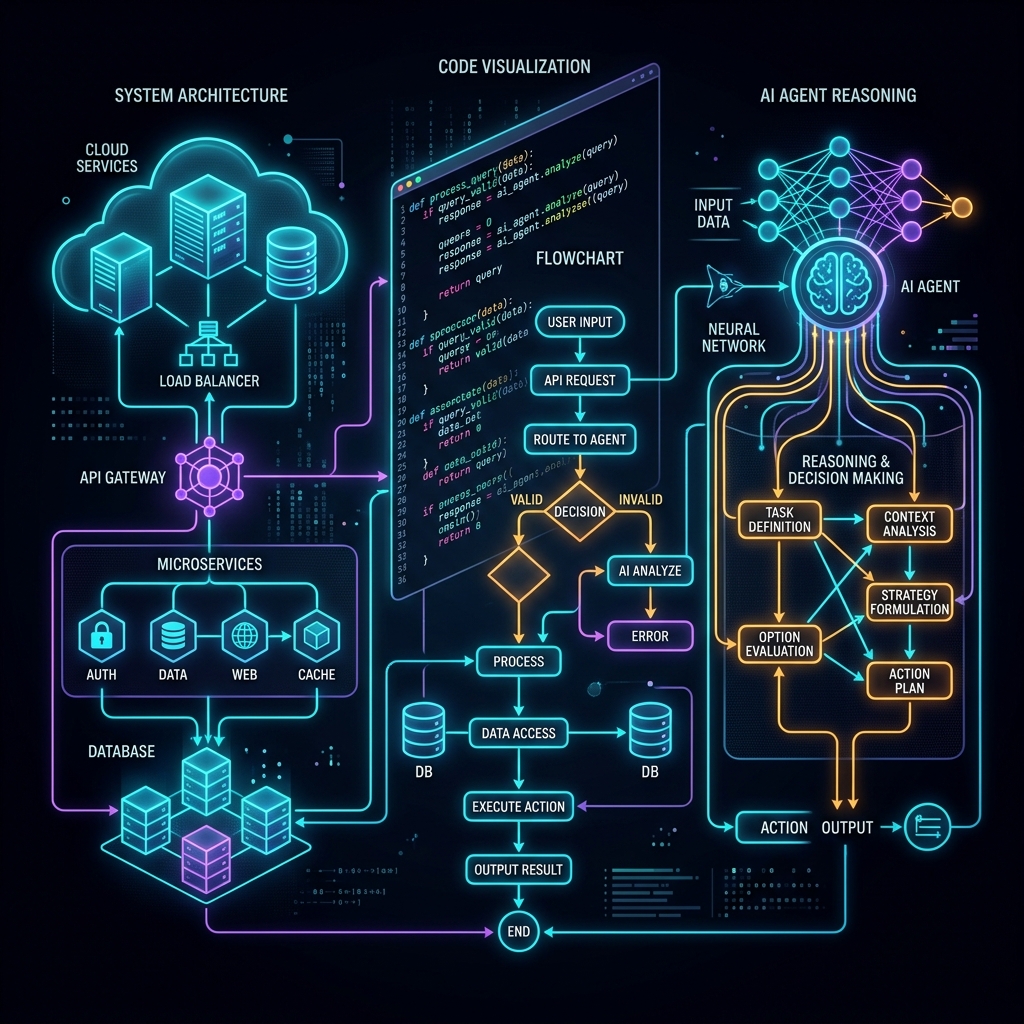
AI-Era Open Source Architecture Diagramming: Comparing oh-my-mermaid, architecture-diagram-generator, and fireworks-tech-graph
In the era of AI coding assistants, technical documentation and architecture diagramming have undergone a paradigm shift. This article provides a comprehensive comparison and rendering examples of three notable open-source, AI-friendly diagramming tools: oh-my-mermaid (codebase reverse engineering), architecture-diagram-generator (dark-themed system blueprinting), and fireworks-tech-graph (prompt-driven agent diagramming). Learn about their features, use cases, and how to combine them into an efficient documentation pipeline.
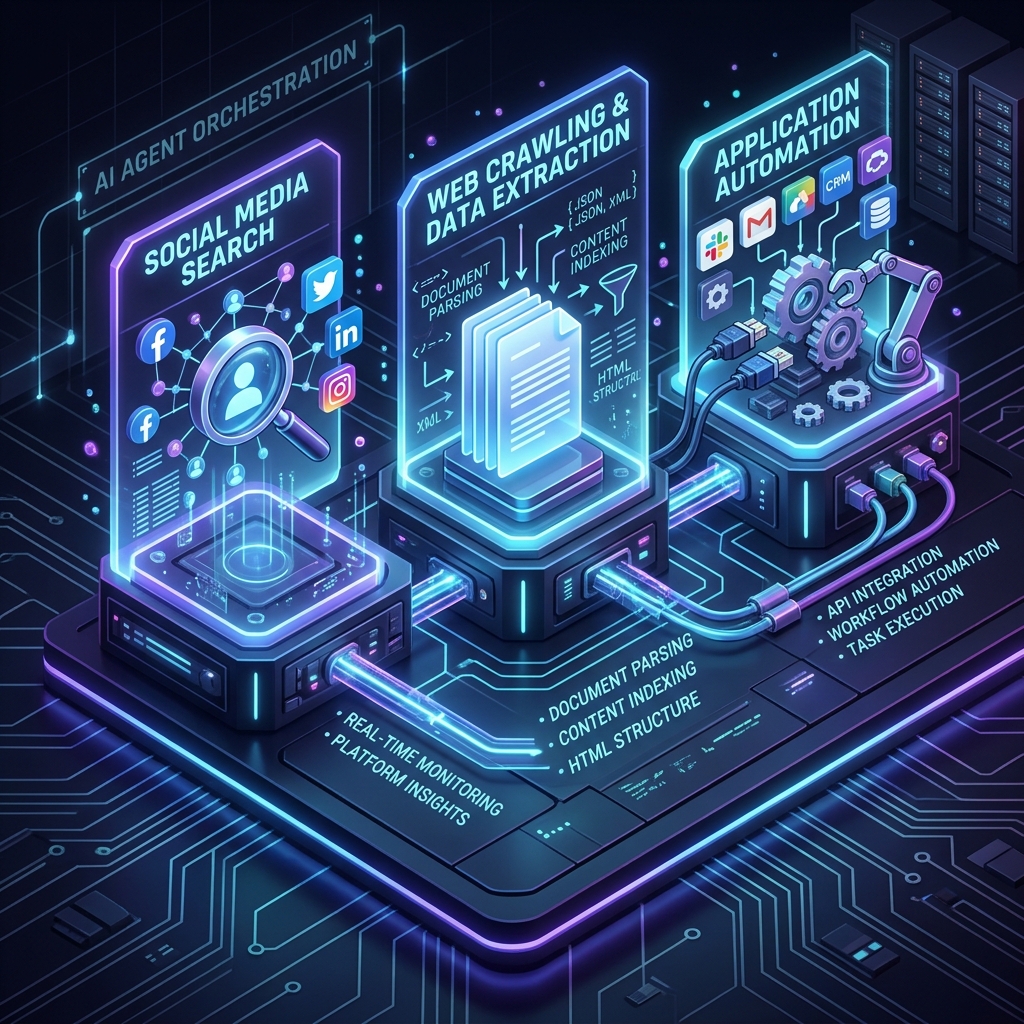
The AI Agent Tooling Trio: Comparing and Integrating Agent-Reach, Firecrawl, and Composio
When building autonomous AI agents, the primary bottleneck is not the LLM itself, but its data channels to the physical world. This article provides a comprehensive comparison of three popular agent-enhancement tools: Agent-Reach (zero-cost social/search connector), Firecrawl (web-to-markdown crawler), and Composio (actionable application workflows). Learn their architectural differences, use cases, and how to combine them.
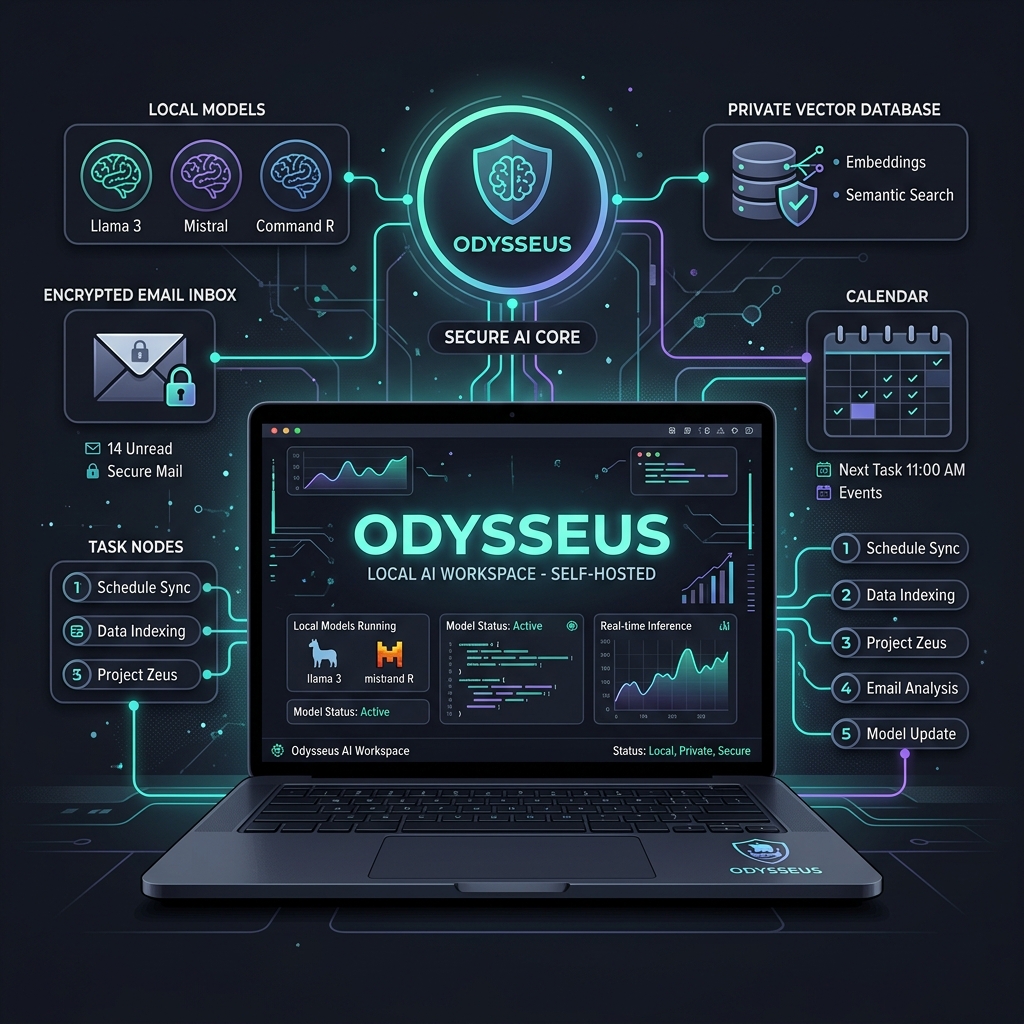
The Ultimate Local-First AI Sovereignty: A Deep Guide to Self-Hosted AI Workspace Odysseus
In an era where privacy is often sacrificed for cloud conveniences, how can you run a fully private AI assistant? This guide introduces Odysseus, an open-source self-hosted AI workspace. Designed for beginners, intermediate users, and advanced developers, we cover installation, core modules, and how to orchestrate local models, calendars, and agents on your own hardware.
Google Analytics 4 MCP Server in Practice: Automating 404 Analysis and Daily Referral Tracking with AI
This article provides a detailed guide on using the Model Context Protocol (MCP) to connect Google Analytics 4 with LLMs (like Claude and Cursor). Learn to set up Google Analytics MCP from scratch and automate site audits for 404 errors and daily traffic referral tracking.

Deep Dive into Claude Fable 5: The Ultimate AI Agent Paradigm Shift
Anthropic's Fable 5 and Mythos 5 mark a paradigm shift from chat assistants to autonomous agents capable of long-horizon tasks. This guide breaks down the core architecture, safety fallback mechanisms, and practical use cases for developers.
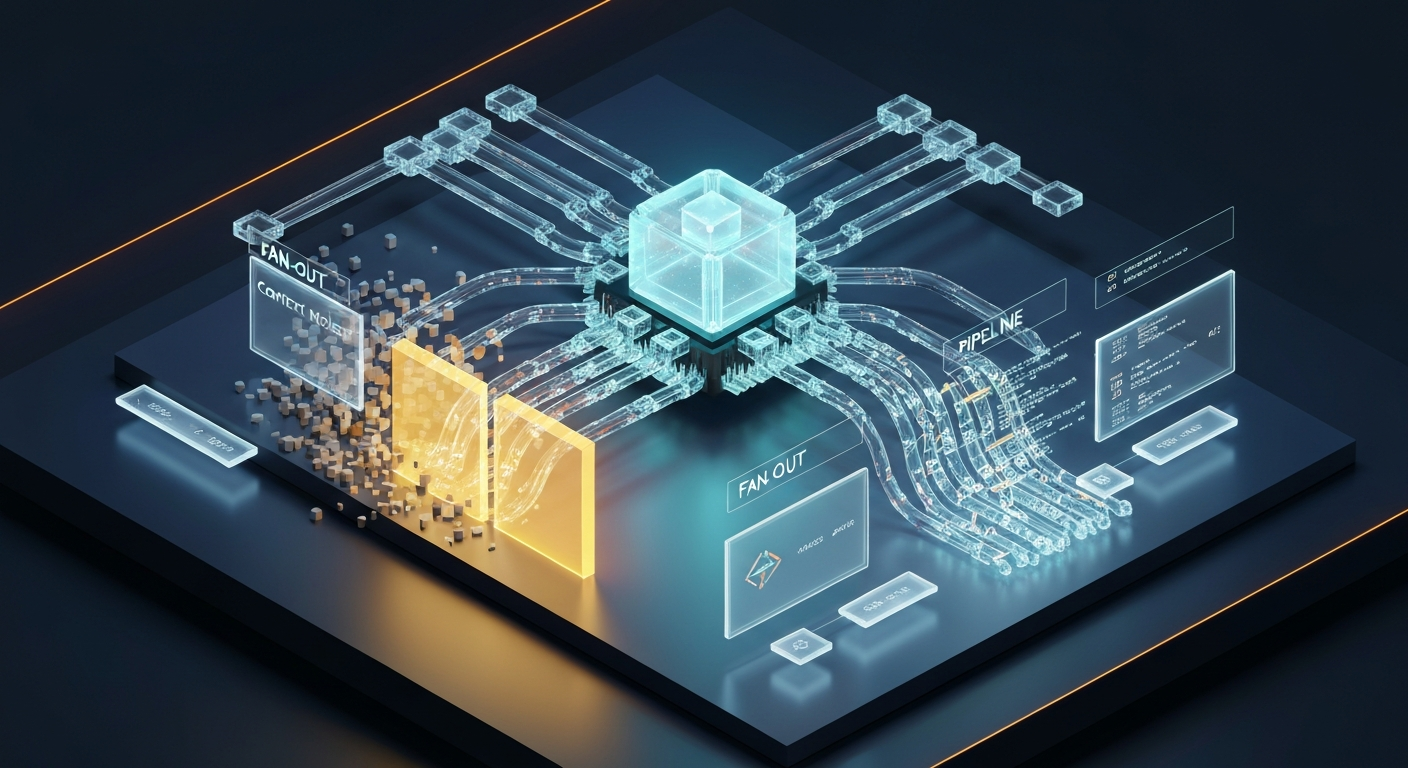
Beyond Context Bloat: Understanding Claude Code Dynamic Workflows
Explore how Claude Code uses Dynamic Workflows to solve context contamination. This article breaks down parallel and serial modes, explaining how the 'Fork-Drop-Fan-In' process keeps the main session clean by returning only Git Diffs instead of verbose logs.
MoneyPrinterV2 Guide: Auto-Generating YouTube Shorts with Gemini API
A comprehensive guide on using MoneyPrinterV2 with Gemini API to automate YouTube Shorts creation. It covers architecture, configuration, core code modifications, and dependency bug fixes for an AI video pipeline.
Composio Ultimate Guide: Connecting AI Agents to 500+ Apps via MCP
A comprehensive guide to Composio, an integration layer for AI agents. Learn to set up MCP servers, connect 500+ apps, and implement social media marketing automation on platforms like Reddit and Facebook.
Modern Web Architecture: SEO, Edge Redirects, and AI-Friendly Design Guide
A comprehensive guide to modern web architecture in the AI era. Covers URL normalization, edge redirects, AI slug-locking, and Cloudflare optimization. Learn to build resilient systems for both humans and AI agents using best practices and llms.txt standards.
Claude Code Dynamic Workflows: A Deep Dive and Best Practices
A comprehensive guide to Claude Code's Dynamic Workflow, covering trigger mechanisms, terminal configuration, permission allowlists, cost management, and the high-performance Ultracode mode.
Claude Code Dynamic Workflow Guide: Multi-Agent Orchestration with JavaScript
A comprehensive guide to Claude Code Dynamic Workflow (v2.1.154+). Learn to orchestrate multiple AI agents using JavaScript for parallel and pipeline tasks. Includes API explanations and a practical multi-stage math problem pipeline example.
Claude Opus 4.8 Released: Dynamic Workflows and Honest AI Explained
Anthropic unexpectedly released Claude Opus 4.8 just 41 days after 4.7. This deep dive explains the new Fast Mode, the game-changing Dynamic Workflows for massive refactoring, and its much-improved honesty in coding tasks.
In-depth Experience with Antigravity CLI: An Agent-First Tool and Its Future
A comprehensive one-week review of Antigravity CLI, exploring its core strengths in Agent-First design and Gemini 3.5 performance, while identifying key areas for improvement such as clipboard image support and interaction flow.
Deep Dive into Sandbox Tech: From Local Isolation to Cloud Hosting with Google Antigravity
This article analyzes the underlying mechanisms and security features of raw host, local, and cloud sandbox modes. It features a Google Antigravity guide on using Python scripts for environment probing and Telegram Bot integration within isolated serverless containers.
Complete Guide to ccstatusline: Mastering Claude Code Status Bars
A progressive tutorial for Claude Code users on ccstatusline, covering installation, TUI configuration, technical principles, Powerline styling, and external data integration for status bar mastery.
Google Antigravity CLI Review and Troubleshooting Guide: The Gemini CLI Successor
Google is replacing Gemini CLI with the new Go-based Antigravity CLI. This article provides a hands-on review, migration guide, and troubleshooting tips for network and login issues, helping you master this new multi-agent AI coding tool.
Google's own claw Gemini Spark:A Deep Dive into Google Gemini Spark and 24/7 AI Agents
AI has finally evolved from chatting to working. This article breaks down Google's Gemini Spark, an always-on AI agent running on cloud VMs. Learn its core architecture, the MCP protocol, and practical tips for building your automated workflows.
Google I/O Antigravity 2.0: The Paradigm Shift from IDE to Agent-First Platform & Developer Gotchas
Antigravity 2.0 abandons the traditional IDE architecture for an Agent-First platform. Explore dynamic subagents, the new CLI, pricing, and critical developer pain points.
Google Antigravity 2.0 Explained: Ditching the IDE to Manage an AI Coding Team
A deep dive into Google Antigravity 2.0 announced at I/O 2026. It's no longer an IDE plugin, but a standalone Agent workstation. This article explains multi-agent parallelism, Gemini 3.5 Flash performance, and Vibe Coding in plain English.
Google I/O 2026: The Transition from Chatbots to Autonomous AI Agents
Google I/O 2026 signals a paradigm shift: AI is evolving from chatbots into autonomous agents. This article deep dives into Gemini 3.5, Spark, and the revamped Search, explaining how Google is transforming the internet from an information retrieval tool into an action-oriented execution layer.
Gemini 3.5 Deep Dive: Beyond Chatbots to the Era of AI Agents
Google I/O 2026 signals a shift from chatbots to 'AI employees'. This article dives into Gemini 3.5 Flash, covering deep reasoning, computer use, and API changes, explaining how AI is evolving from a search engine into an operating system.
Ultimate Guide to Claude Computer Use: Let AI Take Over Your Desktop
A deep dive into Anthropic's Computer Use feature. We cover technical principles (visual-driven vs. code-driven), practical applications (E2E testing, cross-app automation), and essential tips for developers to avoid common pitfalls.
OpenWolf: The Second Brain for Claude Code to Slash Token Costs by 80%
Claude Code 虽好,但“金鱼脑”导致的重复读文件会让 Token 账单瞬间爆炸。本文深度拆解开源中间件 OpenWolf,教你如何通过 6 个 Hook 脚本给 AI 装上持久化记忆,实测最高节省 80% Token,让你的 AI 编程既聪明又省钱。
Claude Design Deep Dive: From Natural Language to Interactive Prototypes
Anthropic's Claude Design is a game-changer. It generates structured code instead of pixels. This guide covers its core logic, workflow, and the open-source alternative Open Design, helping you transition from ideas to production-ready code seamlessly.
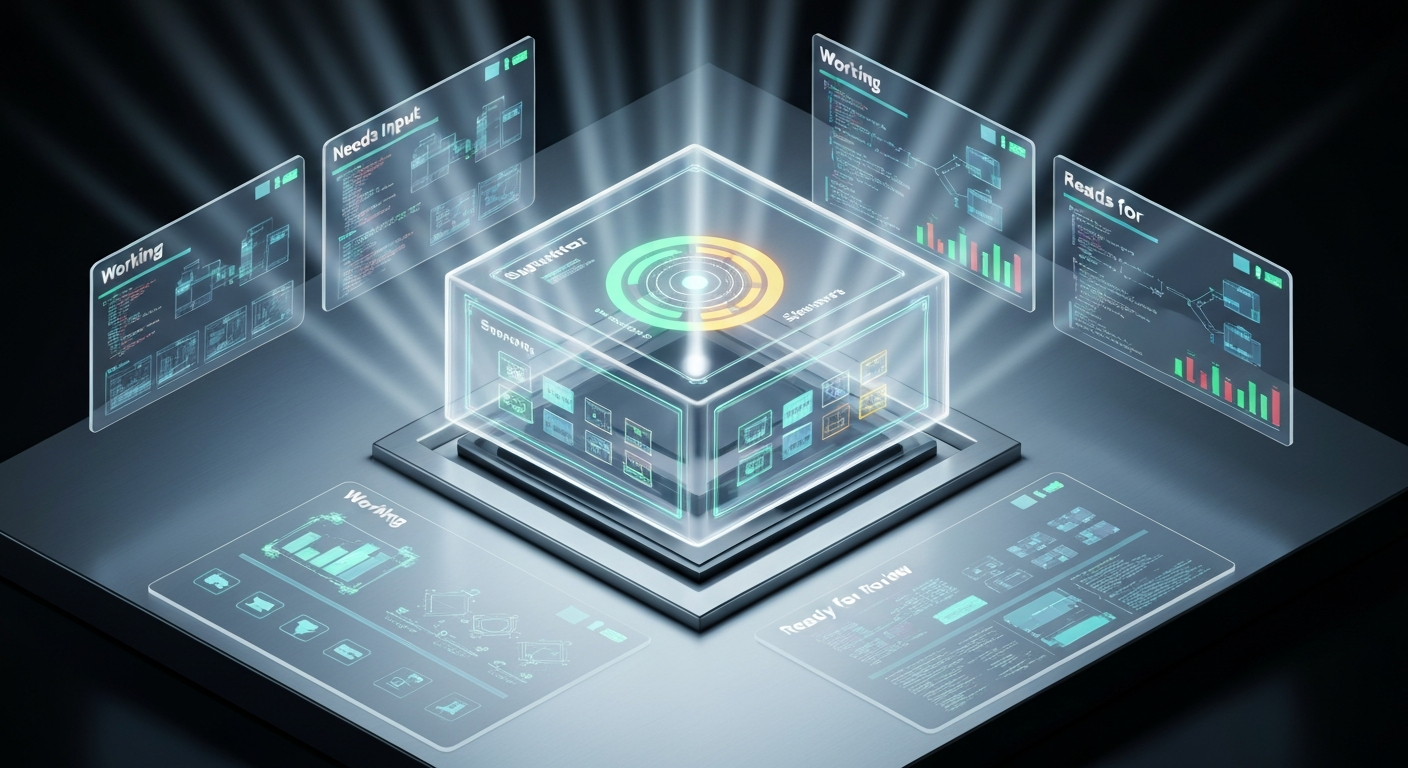
The Era of Orchestrator: Deep Dive into Claude Code Agent View Architecture and Efficiency
This article dissects the core mechanisms of Claude Code Agent View, exploring how it upgrades AI programming from single-threaded dialogue to multi-task concurrent scheduling through TUI orchestration, Git Worktree isolation, and persistent Supervisor processes.
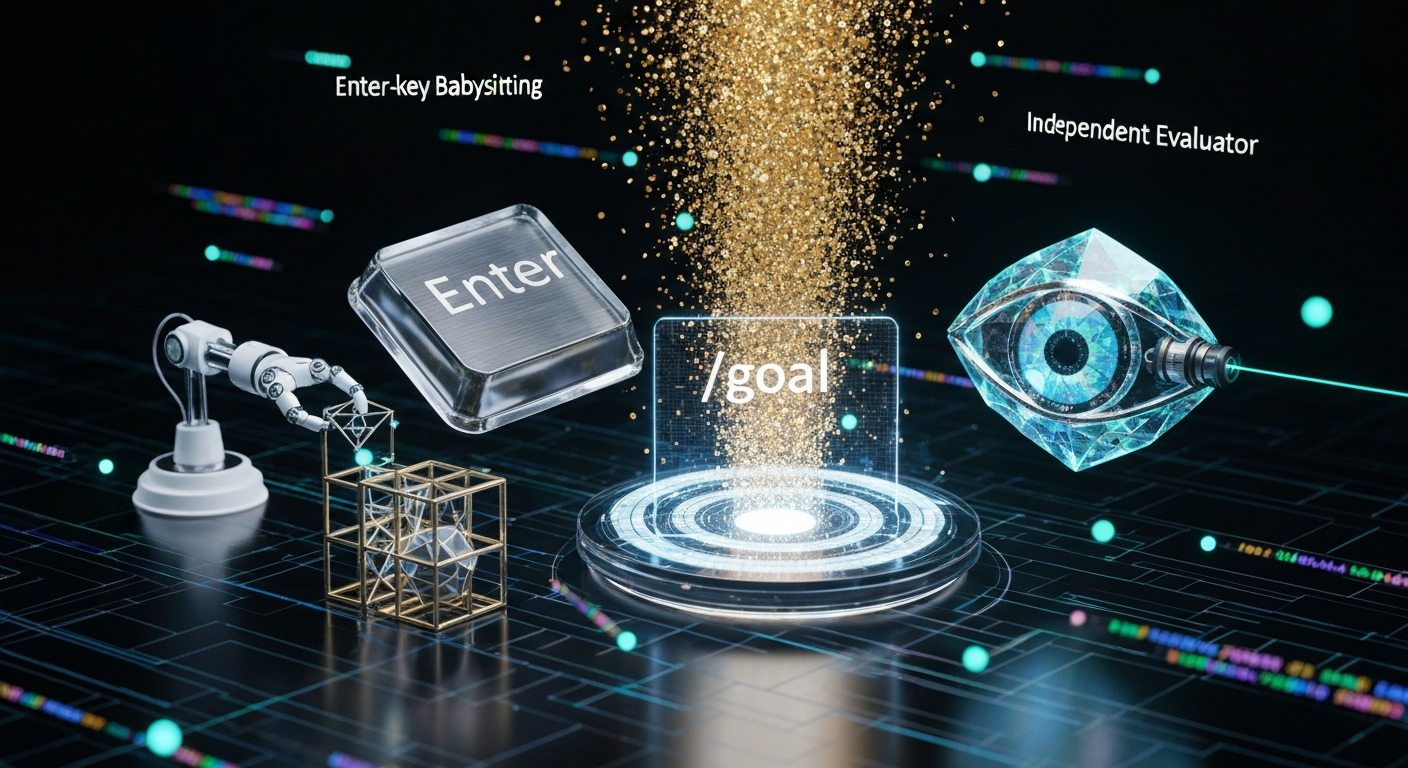
From 'Enter-Key Babysitter' to Goal-Driven Architecture: A Deep Dive into Claude Code and Codex /goal Evolution
This article explores the paradigm shift of AI coding agents from 'instruction-response' to 'goal-driven' execution. By comparing Claude Code's Judge Mode and Codex's Self-audit Mode, it reveals the logic behind task closure, architectural differences, and engineering strategies for the /goal command, helping developers transition from manual intervention to high-level feedback engineering.