Storytelling is core to humanity's DNA, stemming from our impulse to express ideals, warnings, hopes, and experiences. Technology has always been woven through the medium and the distribution: from early humans' innovation of natural pigments and charcoals for cave paintings to literal representation by the camera.
The landscape of storytelling continues to shift under our feet. Social and streaming platforms have multiplied, audiences have fragmented, and our demand for fresh, unique media is insatiable. A recent McKinsey podcast cites that we are watching upwards of 12 hours of video content daily, often on multiple devices and multiple platforms.
All this content is expensive to produce: With a baseline budget of $150M, a Hollywood feature runs $1M per minute of finished film; prestige streaming content is in the hundreds of thousands per minute. And since consumers want to engage with authentic, original material, every company is now effectively a media company. That means we all face the same pressure: more content, with the same time and budget constraints.
There is no longer a question whether to use AI for content; the math doesn't work any other way. What leaders need to focus on now is how to adapt responsibly, protect brand integrity, uplift team creativity, and build customer trust.
A few things worth holding onto as this era accelerates:
- AI amplifies what's already there, both good and bad. Weak strategy stays weak.
- Responsible adoption means knowing what's in your tools and models. Provenance and transparency are the foundation, not the finish line.
- Scale without taste is just noise. Investing in your team's judgment is what makes more content matter.
- Fundamentals of great storytelling have not changed. Regardless of format or channel, what makes audiences lean in are still characters, arc, ingenuity, and surprise.
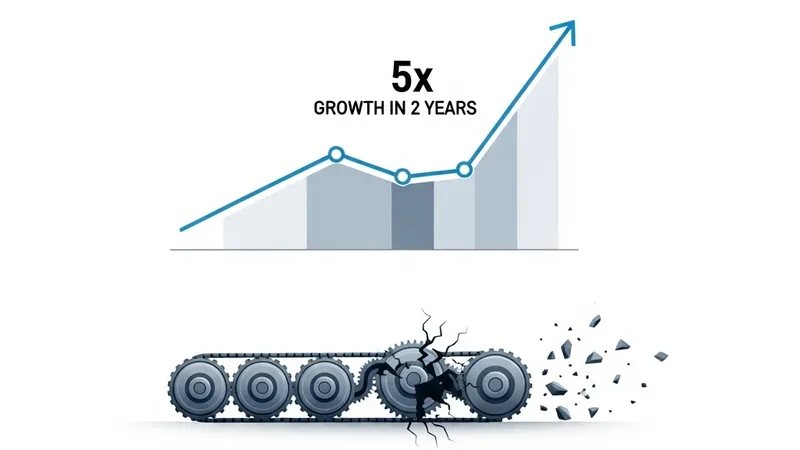
Creative teams are trapped on the endless hamster wheel of production, and it’s not slowing down. According to Adobe research, content demand will grow 5x over the next two years. Social content shelf life is now measured in hours, not weeks. Keeping fresh work in the pipeline is a permanent sprint, requiring teams to rethink how creative production functions.
The first move is freeing creative teams by having AI absorb the repetitive work so they have space for the strategic creative decisions that require human ingenuity. In a recent study from Adobe, 94% of creatives report that AI helps them produce content faster, saving an average of 17 hours per week. That recovered time is not a productivity metric; it is renewed creative capacity.
As a use case, Nestlé offers a useful blueprint. Its teams operate across 180 countries with a portfolio of iconic brands including Nescafé, KitKat, and Purina. Using Adobe Firefly Custom Models embedded in existing content workflows allows teams to generate assets in a brand-informed style without disrupting creative flow.
[AgentUpdate Depth Analysis] From the perspective of the AI Agent ecosystem, Nestlé's implementation of custom models highlights a critical shift from siloed generative tools to workflow-integrated Agents. While standalone tools like Midjourney offer raw creative power, enterprise scale requires context-aware Agents that understand brand guidelines, asset libraries, and compliance rules. Future creative workflows will likely be driven by multi-agent systems cooperating via open standards like the Model Context Protocol (MCP). In this paradigm, one Agent retrieves brand assets, another orchestrates creative generation via specialized APIs (like Adobe Firefly), and a third conducts automated compliance checks. This evolution turns creative production from manual prompting into automated agentic choreography, marking a significant milestone in the maturity of the AI Agent landscape.