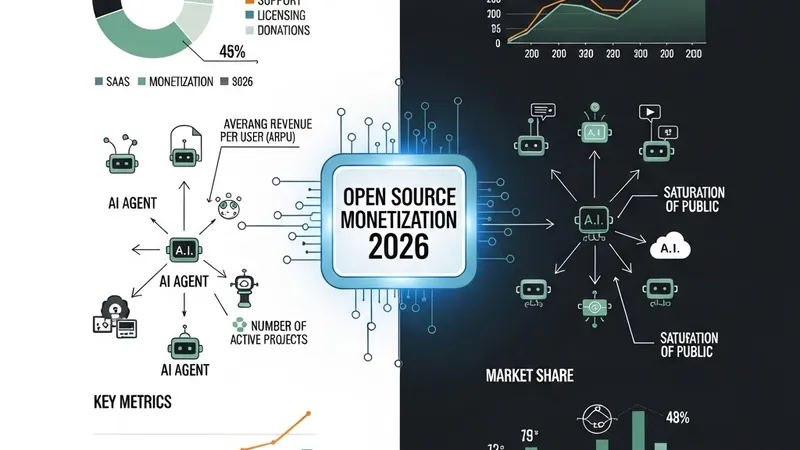
Is it possible to make real money in open source in 2026? After submitting over 100 PRs across more than 30 repositories and tracking every dollar earned, I have mapped out the most comprehensive breakdown of open-source monetization to help you navigate this changing landscape.
Most 'earning opportunities' in open source are dead ends, simply because the money flows through channels most developers never discover. I spent 30 days testing these platforms full-time, and the results are both brutal and eye-opening. In 2026, open-source monetization is primarily categorized into two major sectors:
1. 🎯 Bounty Platforms (Direct PR → Payment)
These platforms allow maintainers to post specific issues with cash rewards. You solve the issue, submit a PR, and get paid when it is merged. Here is how the major players stack up in reality:
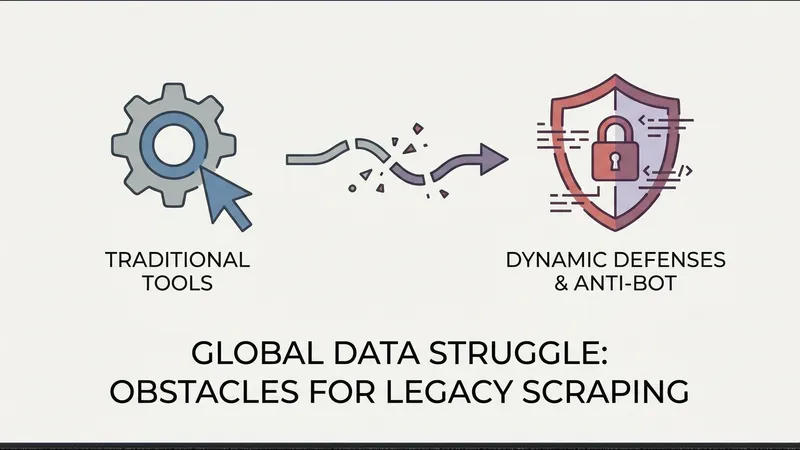
- Algora.io: Avg payout $50-$500, merge rate ~15%, payment time 1-4 weeks. Reality Check: Highly agent-saturated. Fresh bounties attract 8 to 158 competing agent PRs within hours. Racing machines on speed is a losing game.
- Tenstorrent: Avg payout $500-$10,000, merge rate ~5%, payment time 2-8 weeks. Focuses on hardware and ML; requires extreme technical expertise.
- WarpSpeed: Avg payout $330-$960, merge rate ~20%, payment time 2-4 weeks. React Native and TypeScript focus; requires an approved signup.
- converse.js: Avg payout $100, merge rate ~30%, payment time 1-2 weeks. Only the first merged PR gets the bounty; paid in crypto.
- Immunefi: Payouts from $1K to over $10M, merge rate <1%, payment takes weeks or months. Focused on Web3 security; requires top-tier audit expertise.
- Aigen Protocol: Pays 50 AIGEN tokens per PR, merge rate ~80%, paid in days. Focuses on translation and basic implementations; was my top earner.
Winning Strategies: Since public markets are agent-saturated, how do humans win? First, use 'patience harvesting' by waiting for competing agent PRs to go stale (no activity for 14+ days) and then submitting polished, human-approved versions. Second, target translation and localization bounties where AI struggles with precision. Lastly, build deep credibility in specific repos; once you have merged PRs in a repo, your acceptance rate can leap from 0% to 80%.
2. 💰 Direct Repository Bounties
Some repositories run independent bounty programs bypassing third-party platforms:
- Aeternity (aeternity/bounties): Pays directly in Swiss Francs (CHF). For example, they offer CHF 1,500 for Sophia syntax highlighting in github/linguist with no middleman.
- MergeOS: Pays in MRG tokens (300 MRG per verification). It features a unique 'verification bounty' model where you get paid to test and report on other people's PRs without writing code. I successfully verified 17+ PRs in one go.
- HELPDESK.AI (GSSoC): Offers $10-$50 equivalent bounties. This was my top credibility repo, with over 28 successful merges.
[AgentUpdate Depth Analysis] By 2026, the influx of AI agents into open-source bounty platforms like Algora highlights a massive paradigm shift in software development. As autonomous agents fully saturate low-to-medium complexity tasks, the traditional human-centric bug-bounty model is undergoing a severe squeeze. However, this is not the death of open-source earnings for humans; rather, it marks a transition. Human developers must pivot from high-volume, repetitive coding to high-value architectural design, niche expertise (like Web3 security on Immunefi or ML on Tenstorrent), and 'verification' roles—such as validating agent-generated code (e.g., MergeOS). Moving forward, the AI Agent ecosystem will thrive on protocols that seamlessly combine multi-agent swarms with human-in-the-loop validation. The key to sustainable monetization in this agentic era lies not in competing with speed, but in managing agent workflows and mastering deep, complex domains that AI cannot yet solve autonomously.