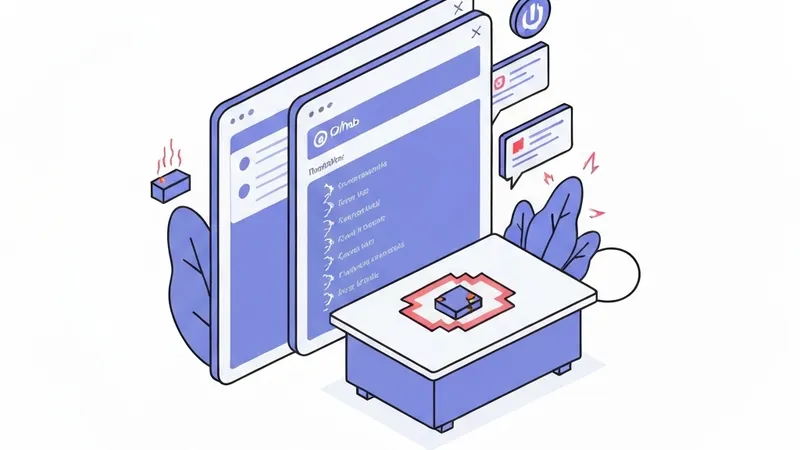
Eight years after its high-profile acquisition by Microsoft, GitHub, the world's largest code hosting platform, is locked in an existential struggle. The platform has been plagued by frequent service outages and severe security breaches. Recently, a major incident occurred when an employee installed a malicious library extension via VS Code, leading to the theft of 3,800 internal codebases. This compromise has raised serious concerns regarding the platform's reliability and security standards.
Behind the technical instability lies a deeper organizational crisis. According to interviews with current and former employees, GitHub is struggling with a lack of leadership and mounting competitive pressure. Following the departure of CEO Thomas Dohmke in the summer of 2025, Microsoft chose not to appoint a successor. Instead, GitHub's executive team was instructed to report directly to CoreAI, a division led by Jay Parikh. Parikh, a former Meta engineering executive personally recruited by Microsoft CEO Satya Nadella, is tasked with driving the company's company-wide AI transition. However, Parikh is reportedly unpopular within the organization, and it was his decision to leave the GitHub CEO position vacant.
This restructuring has triggered a massive executive and employee exodus. Numerous GitHub staff members have departed to join Dohmke's new startup, Entire. The platform has also lost key leadership figures, including Senior Vice President Jared Palmer and former Chief Revenue Officer Elizabeth Pemmerl. Current employees lament that GitHub now exists in name only, with its culture and operations fully absorbed by Microsoft's corporate apparatus.
[AgentUpdate Depth Analysis] The consolidation of GitHub into Microsoft's CoreAI represents a pivotal moment in the AI Developer Agent ecosystem. GitHub Copilot pioneered LLM-assisted coding, but this restructuring signals a shift from treating GitHub as an open, community-driven repository to a proprietary data sandbox for Microsoft's broader AI ambitions. As developer tools evolve toward autonomous Coding Agents (such as Cursor, Devin, and newer MCP-enabled environments), community trust and platform neutrality are paramount. By dissolving GitHub's independent identity, Microsoft risks alienating open-source developers, opening a massive window of opportunity for neutral, privacy-first, and Agent-native codebase platforms to capture the next generation of AI-assisted engineering workflows.