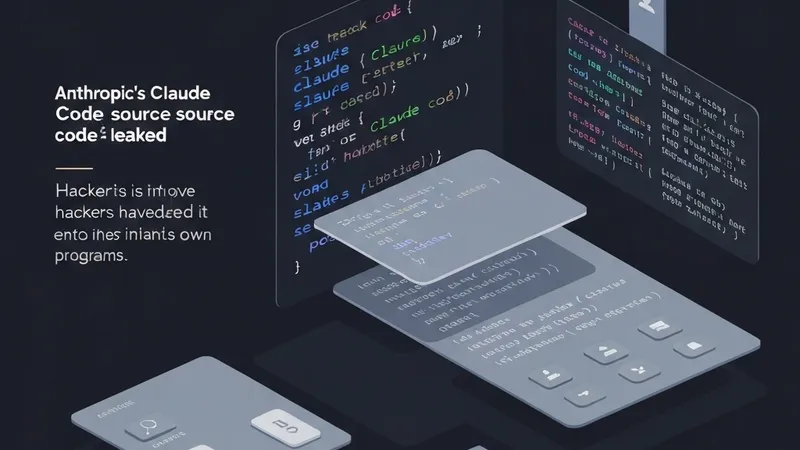
Anthropic's source code for its popular 'vibe-coding' tool, Claude Code, was accidentally made public recently, leading to an immediate cybersecurity concern. Following the accidental leak, numerous individuals began reposting the code on the developer platform GitHub.
However, BleepingComputer reports that some of these reposted versions are not benign shares. Hackers have exploited the leak by embedding information-stealing malware directly into the lines of code within certain GitHub repositories. This means users attempting to download these repositories could unknowingly infect their systems with malware.
Anthropic has been actively working to combat the spread, issuing copyright takedown notices to remove copies of the leaked code, regardless of whether they contain malware. The Wall Street Journal reported that the company initially targeted over 8,000 repositories on GitHub but later narrowed its focus to 96 specific copies and adaptations.
This incident is not the first time malicious actors have capitalized on public interest in Claude Code. In March, 404 Media reported that sponsored ads on Google led to websites masquerading as official Claude Code installation guides, directing users to execute harmful commands. The nature of Claude Code, which requires users—some of whom may be unfamiliar with terminal operations—to copy and paste installation commands, inherently presents a vulnerability for potential exploitation.
In other significant security news, Apple this week took the unusual step of releasing “backported” patches for iOS 18. This measure aims to protect millions of users still on the older operating system from the DarkSword hacking technique, which has been found in active use. Discovered in March, DarkSword allows attackers to infect iPhones merely by visiting a website loaded with embedded takeover tools. While Apple initially urged users to update to iOS 26, the current operating system version, the company ultimately issued the iOS 18 patches due to DarkSword's continued spread.