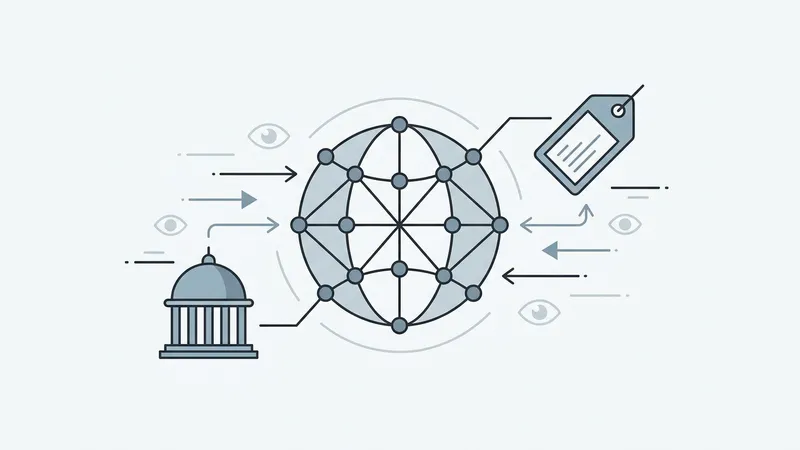
A class-action lawsuit was filed on Thursday in Washington, D.C., accusing the Washington Post of using 'surveillance pricing' to artificially hike subscription rates. In March 2025, subscribers first began receiving notifications with a startling disclosure at the bottom of the email: 'This price was set by an algorithm using your personal data.'
The practice of adjusting prices for individuals based on personal information—including sex, age, income, and browsing history—is known as surveillance pricing. This has become a highly controversial issue as businesses seek to squeeze maximum value from consumer data. The Post's disclosure was likely driven by a New York state law passed in 2025 requiring such notification. While other states are considering similar legislation, Maryland recently became the first to ban surveillance pricing in grocery stores, though consumer advocates note it remains riddled with loopholes.
The lawsuit was brought by Clarkson Law Firm. Partner Tim Giordano stated that the clients are suing under the DC Consumer Protection Procedures Act, which prohibits unfair and deceptive practices. 'Nobody consented to have the Washington Post create individualized dossiers on them to be fed into an AI system designed to extract maximum value,' Giordano said, calling it 'a new form of price gouging, individualized and fueled by AI.'
The lawsuit alleges that beginning in the mid-2010s, shortly after Amazon founder Jeff Bezos acquired the Post in 2013, the publication 'covertly harvested' subscriber data through phones, computers, and tablets to 'weaponize' personal information for profit maximization.
The suit also highlights public outrage, quoting a viral Reddit post: 'The problem people have with this is the use of subscribers' data to determine how much. If you went to a grocery store and the person in front of you paid $2 for a loaf of bread while you had to pay more based on an algorithm, that is completely messed up.'
[AgentUpdate Depth Analysis] This lawsuit exposes a critical shift in the AI Agent ecosystem, transitioning from benign productivity assistants to aggressive 'pricing agents' optimized for maximum economic extraction. When autonomous agents are deployed with a single-minded goal of profit maximization without ethical alignment, they inevitably become adversarial to consumer trust. This highlights the pressing need for robust Agent Alignment and algorithmic auditing frameworks. Looking ahead, this dynamic will likely spark a 'counter-agent' movement, where consumers deploy personal AI Agents to negotiate, mask data, and run counter-strategies against corporate pricing algorithms, redefining the future of digital commerce as a multi-agent battleground for economic surplus.