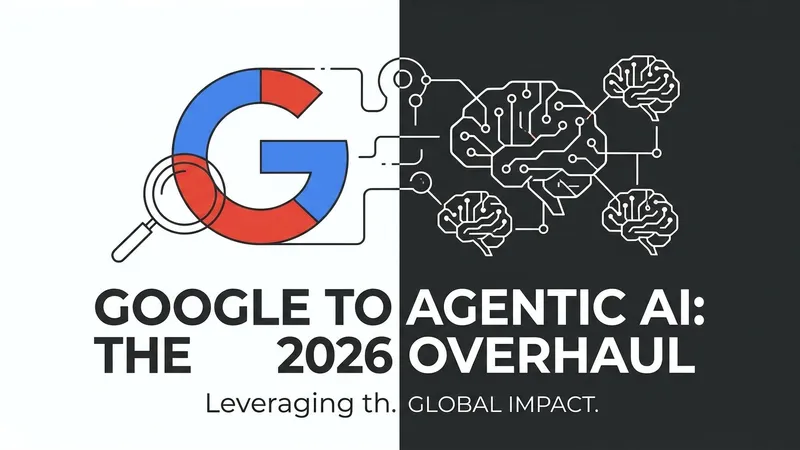
Google is preparing a fundamental overhaul of its search business by 2026, centered on the introduction of "agentic AI." For instance, if you want to plan a family outing, Search will no longer just provide links but will instead create a custom UI featuring event suggestions, reviews, map embeds, and calendar integration. It pulls this data from both Google’s internal ecosystem and the broader web.
Early demos of these search agent dashboards actually display the code as it is being generated. However, Google is likely to hide this technical layer for the full rollout later this summer. By presenting a simplified "chain of thought" workflow, the company aims to avoid confusing average users who prioritize a polished UI over the underlying generative mechanics.
Users can revisit and modify these dashboards via an "AI Mode" history in the sidebar. These generated mini-apps are customizable through follow-up prompts and can be shared via links. While the current version doesn't support sharing specific modifications made by a recipient, Google is exploring this capability. Future iterations might even allow power users to manually modify the code of these apps line by line.
The overarching trend is the decline of the traditional "blue link" in favor of AI-generated content. Google credits the efficiency of Gemini 3.5 Flash for enabling these agentic experiences and expects further enhancements as Gemini 3.5 Pro is integrated into the workflow.
Googlers frame this transition as a way to efficiently extract information from a web cluttered with extraneous text and excessive ads. While many argue that Google’s own search ranking systems contributed to this decline in web quality, the company remains dominant. Despite the rise of competitors like DuckDuckGo and Bing, Google’s search products remain the primary gateway to the internet, and the company views its continued growth as validation of its AI-first strategy.