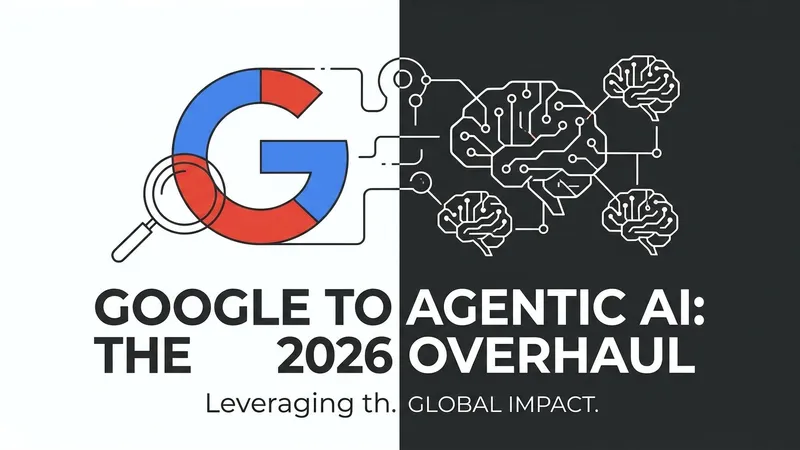
Imagine planning a family outing for the weekend. Instead of list-based search results, the new Google Search will construct a dynamic user interface (UI) on the fly, complete with event suggestions, reviews, embedded maps, and calendar integration. Drawing data from both Google's platform and the broader web, early demos of these search agent dashboards even displayed the raw code as it was being generated. However, Google is expected to hide this code for the official rollout, replacing it with a simplified "chain of thought" workflow to keep the interface clean and user-friendly.
Users can revisit and tweak their generated dashboards by accessing their "AI Mode" history in the sidebar. These mini-apps can be further customized with follow-up prompts and shared via a link. Interestingly, recipients of the link can also customize the app to their liking, though sharing those secondary modifications is not yet supported. In the future, Google may even allow power users to manually modify the code of these mini-apps line by line.
The overarching direction is clear: fewer blue links, and more AI-generated experiences. Google attributes this transformation to the efficiency of Gemini 3.5 Flash, which powers these new agentic capabilities. The upcoming Gemini 3.5 Pro is poised to supercharge this agentic app generation even further, potentially rolling out before search agents are widely available.
While Google presents this shift as a way to rescue users from bloated webpages filled with ads and filler text, critics note that Google itself shaped this ecosystem. For years, websites have been optimized into this bloated state to chase SEO rankings and offset declining ad rates. Despite complaints about search quality, Google's dominance remains unchallenged; competitors like Bing, Brave, and DuckDuckGo remain rounding errors. Google is moving full steam ahead, confident that its agentic vision is the future of search.
[AgentUpdate Depth Analysis] Google’s transition to agentic search marks a profound shift from content retrieval to dynamic application generation. By generating on-the-fly interactive mini-apps, Google is redefining the interface of the web, effectively bypassing traditional websites. From an AI Agent ecosystem perspective, this showcases the integration of fast reasoning (Gemini 3.5 Flash), code generation, and runtime UI compilation. It elevates the agent from a passive text chatbot to an active, full-stack software synthesizer. While this vastly improves user experience, it raises critical questions about the open web. If search agents ingest, synthesize, and present web content within their own walled-garden UIs, the traditional value-exchange of web traffic and ad monetization will be disrupted, forcing a total rewrite of web economics.