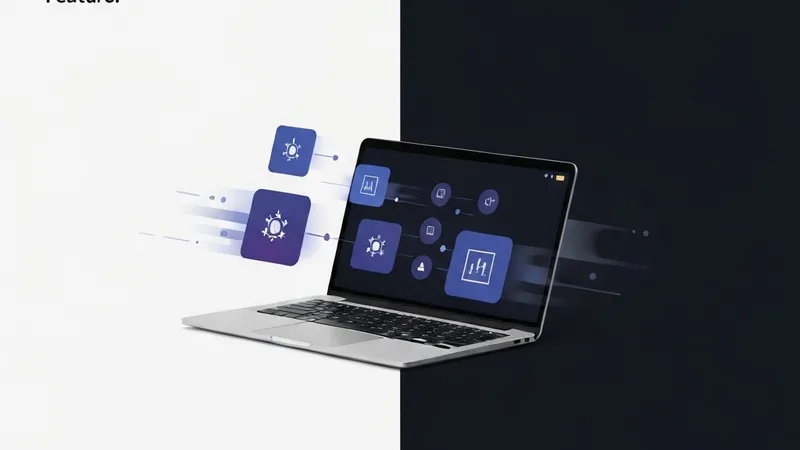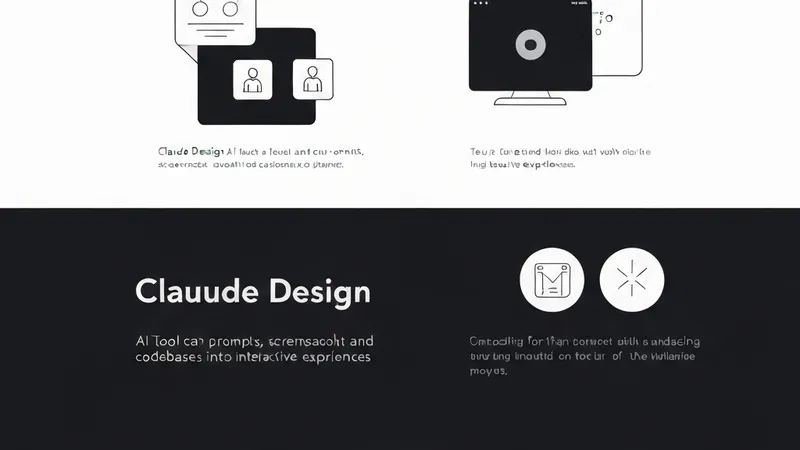
Anthropic has once again made waves in the industry with the launch of Claude Design, a new AI tool set to disrupt the design sector. This innovative offering is capable of transforming user prompts, screenshots, and even existing codebases into shippable, interactive prototypes, slide decks, or marketing collateral. This move signifies Anthropic's continued strategy to integrate its AI capabilities across various layers of the software development stack.
At the core of Claude Design is Anthropic's new Opus 4.7 vision model. The tool allows users to input codebases and existing mockups during setup, enabling Claude to learn and construct a brand system that automatically applies consistent visual styles to all future projects.
Designers can refine and iterate on their creations through multiple intuitive methods: engaging in chat-based modifications, adding inline comments, direct editing, or utilizing custom sliders generated by Claude for fine-tuning elements like spacing, color, and layout. Completed designs can be seamlessly handed off as build-ready bundles to Claude Code, or exported to popular formats such as Canva, PPTX, PDF, or standalone HTML for further collaboration and editing.
Notably, Anthropic CPO Mike Krieger resigned from Figma's board on April 14, just three days prior to the launch of Claude Design, fueling speculation about Anthropic's potential competition with the design software giant.
This launch underscores Anthropic's broader strategic vision: to close the loop from initial concept to shipped product within a single, integrated AI ecosystem. By combining Claude Design with existing features like Cowork, browser agents, and office integrations, Anthropic is steadily bringing every layer of the software stack under its unified umbrella, aiming to deliver an end-to-end AI-powered development environment.