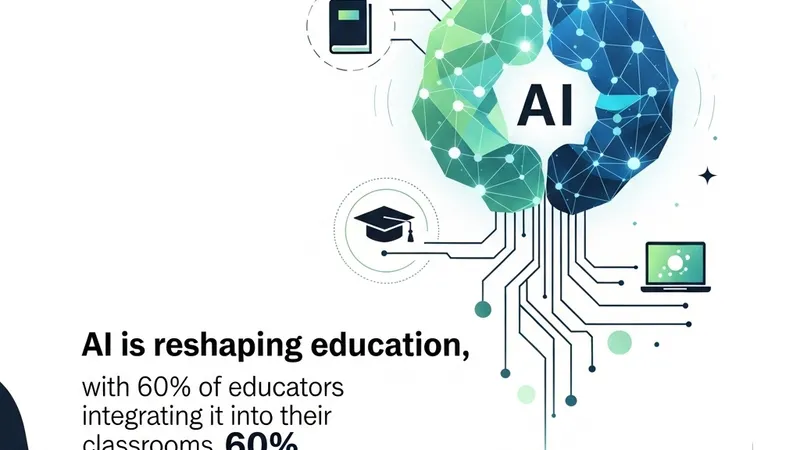
Artificial Intelligence (AI) is actively reshaping the educational landscape, evolving from a distant technological concept into a practical classroom reality. This transformation highlights a crucial shift: the reimagining of the educator's role in the age of automation. According to a 2025 poll, 60% of educators have already seamlessly integrated AI tools into their lessons, indicating a widespread adoption of these technologies.
Teachers who leverage AI to automate routine content delivery can pivot their focus toward high-impact areas that machines cannot replicate. By offloading standardized instruction and administrative tasks to AI, educators are free to concentrate on fostering critical thinking, leading dynamic classroom discussions, and building meaningful mentorship relationships with their students. The goal is not to replace human intervention but to augment it.
Adapting to AI in education represents a massive opportunity for educators to elevate their professional roles. The transition from being a traditional lecturer to an interactive learning leader allows for a more personalized and engaging student experience. By embracing these innovations, educators can enhance their teaching methods and inspire students in unprecedented ways, preparing them for a future where human-AI collaboration is standard.