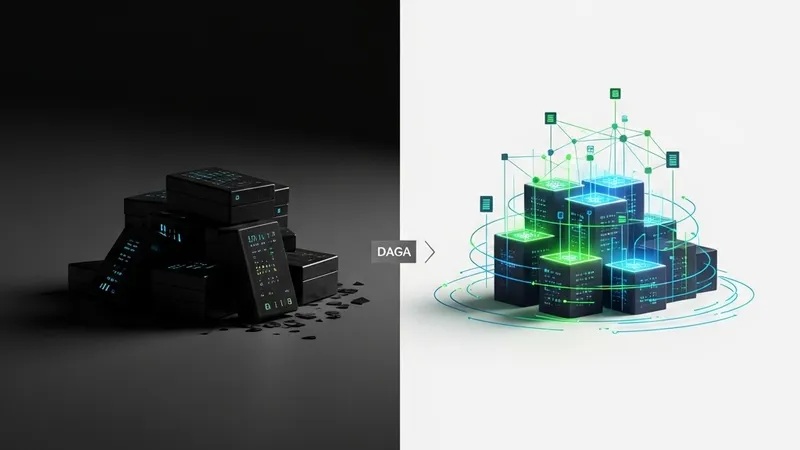
For a long time, logs lived in a strange purgatory: technically required, rarely read, and mostly forgotten until something broke. The typical pattern was simple: engineering teams would wire up logging because it was considered good practice or part of an auditor's checklist. These logs went somewhere—an Amazon S3 bucket, a SIEM (Security Information and Event Management) system, or a flat file on a server—and then nobody looked at them. They were just data dumps: timestamps, event IDs, and metadata strings requiring forensic patience to make sense of.
The only time anyone dug into them was after an incident, which is exactly when the gap became obvious: "We're not logging what we should have been logging." By then, it’s already too late. The attacker has moved, the blast radius is unclear, and your investigation is running on incomplete evidence. Today, the question isn’t whether you’re generating logs, but whether your logs can actually tell you something when it counts.
This paradigm shift came from multiple fronts. Regulatory frameworks now demand demonstrable evidence. The SEC disclosure rules changed how public companies talk about security incidents, and the EU's NIS2 Directive raised the bar across critical infrastructure. Auditors who once accepted a screenshot of a logging policy now want to see the actual logs—queryable, timestamped, and tied to specific events.
At the same time, developer and enterprise buyers are demanding transparency. Security review questionnaires are longer, and procurement teams now pull audit log samples during vendor evaluations. A product that cannot produce clean, exportable activity logs loses deals. Furthermore, with AI-powered attackers moving faster than ever, logs serve as the foundation for modern defense. Now, as AI Agents autonomously provision resources and execute code, traditional static logs fail to capture the nuances of non-human decisions, necessitating a paradigm shift in system #observability.
[AgentUpdate Depth Analysis] The shift from deterministic software to autonomous AI Agents executing actions independently has shattered traditional IT auditing paradigms. Classic system logs record the "what" (e.g., database writes, API calls) but completely miss the "why" (the Agent's reasoning path or Chain of Thought). To prevent rogue behaviors and meet enterprise security standards, the industry must transition from infrastructure-level logging to semantic agent observability, utilizing emerging standards like the Model Context Protocol (MCP) and dedicated LLM tracing tools. Securing the future Agent ecosystem requires auditing not just system state changes, but the real-time intent, safety guardrails, and decision-making logic of these autonomous actors.