Recently, Anthropic unveiled Claude Code, a revolutionary command-line AI programming agent. Operating directly within the terminal, it doesn't just suggest code; it runs tests, manages Git commits, and autonomously squashes bugs. This article takes a deep dive into its internal architectural design, revealing how it translates the reasoning capabilities of Claude 3.7 Sonnet into an elite local development experience.
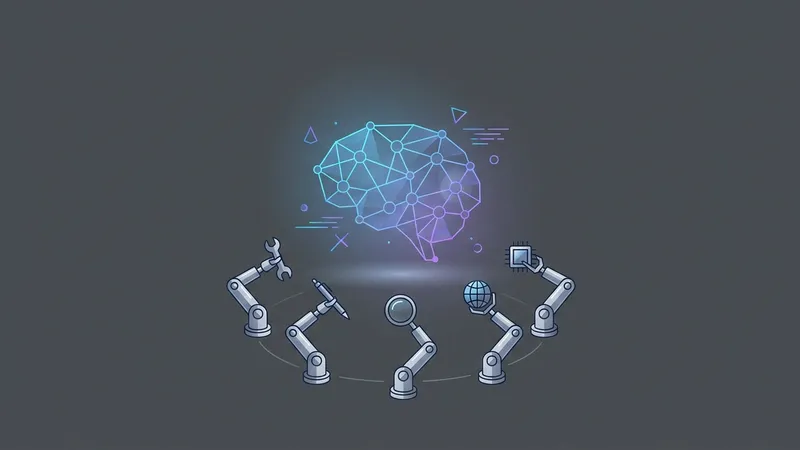
Unlike traditional IDE extensions, Claude Code opts for a minimalist terminal-first architecture. At its core is a lightweight runtime environment that interacts seamlessly with local system utilities such as git, grep, and build tools. By exposing these CLI utilities as standardized Tool Calls, the agent performs high-speed file searches and modifications directly within the user's OS without the overhead of heavy IDE wrappers.
In terms of context management, #Claude Code showcases brilliant engineering. Given the token constraints of LLMs, loading an entire repository is highly inefficient. Claude Code implements a dynamic context-routing mechanism. It leverages ripgrep to pinpoint relevant code snippets, injecting only the necessary context into the prompt window. During edits, it maintains a local state machine that tracks file changes and test outcomes, enabling a tight edit-test-debug feedback loop.
Safety and control are also paramount in its design. To prevent the agent from executing destructive shell commands, Claude Code introduces a dual-track validation system. While non-destructive read operations and search queries are fully automated, compiling, running tests, or executing state-altering commands require manual physical confirmation from the user, balancing speed with total user control.
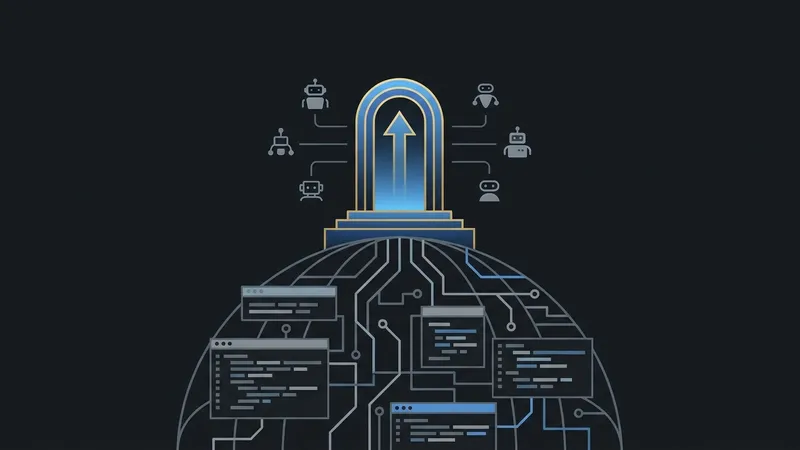
[AgentUpdate Depth Analysis] Compared to GUI-heavy AI code editors like Cursor or Windsurf, Claude Code represents a distinct evolutionary paradigm for AI agents: a return to the UNIX philosophy. Instead of hijacking the user's screen, it embeds itself as an invisible, high-powered co-processor within the existing terminal workflow. This "CLI-as-a-Platform" design aligns perfectly with the lightweight integration of the MCP (Model Context Protocol). Looking ahead, AI agents will transition from mere code-writers to complex system orchestrators. Claude Code proves that high-density text command streams coupled with advanced reasoning models offer a far higher efficiency ceiling than bloated GUIs. This decentralized, utility-driven agent architecture will drastically accelerate software engineering automation, shifting the developer paradigm from "co-authoring code" to "orchestrating agents".