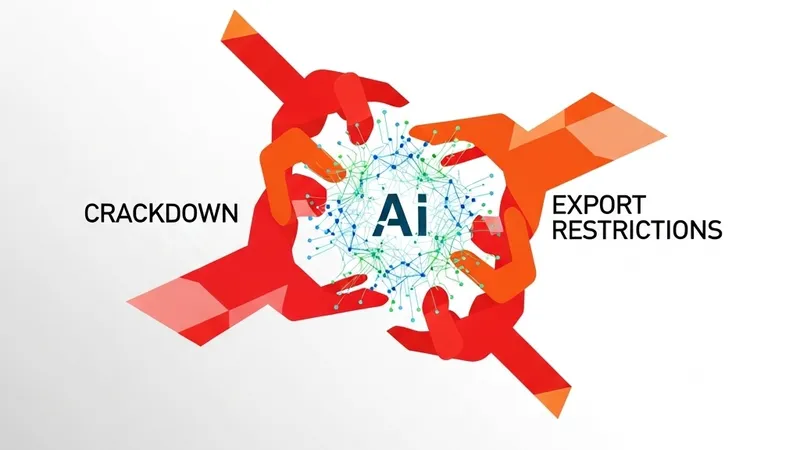
The Trump administration's recent regulatory crackdown and potential export restrictions on AI pioneer Anthropic have sent shockwaves through the global tech sector and raised serious concerns among key US allies.
Governments and corporations in the United Kingdom, Japan, and the EU have heavily integrated #Anthropic’s Claude models into their sovereign digital infrastructures. Washington's sudden national security push threatens to sever access to frontier AI capabilities, disrupting national AI roadmaps overseas.
Experts warn that US technology restrictions are expanding from hardware (such as Nvidia GPUs) to the software layer, targeting model weights and API access. Allied nations fear this unilateral approach could lock them out of the frontier AI race, forcing a reassessment of their reliance on US tech giants.
[AgentUpdate Depth Analysis] This geopolitical crackdown on Anthropic exposes the fragile centralization of the global AI Agent ecosystem. As the primary driver of sophisticated agentic workflows—especially through protocols like the Model Context Protocol (#MCP)—#Claude is foundational to countless enterprise agents worldwide. Unilateral US regulatory risks will inevitably drive international developers toward open-source alternatives like Llama 3 or regional models to ensure business continuity. In the long run, this policy could backfire on US hegemony by fragmenting the AI Agent standards market, accelerating the adoption of decentralized, localized, and sovereign agentic architectures, thereby diminishing the global influence of US-controlled monolithic APIs.