Recent disclosures reveal that Polymarket's Chief Marketing Officer, Matthew Modabber, covertly distributed hundreds of thousands of dollars to social media influencers via a personal PayPal account to hype the platform's predictive accuracy without disclosing the paid relationships.
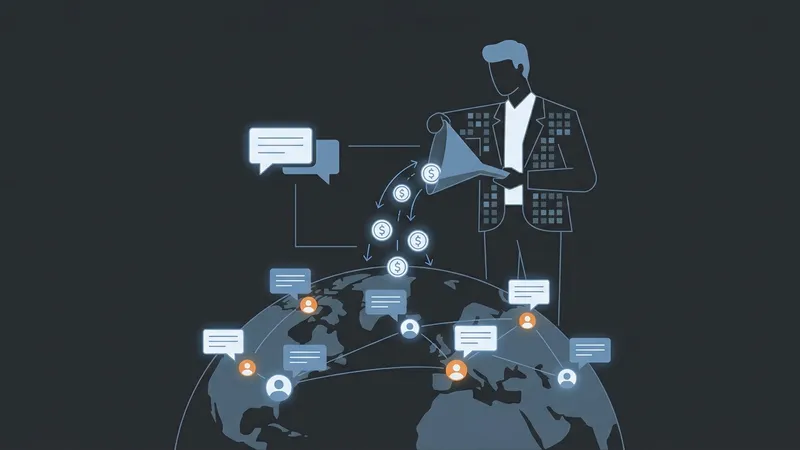
An analysis of transaction records indicates that between January 2025 and February 2026, Modabber used his personal PayPal account—linked to a salad restaurant he co-founded—to transfer over $2.5 million to more than 800 individuals. Among them, right-wing influencer Nick Shirley and other prominent creators received at least $350,000. Following these payments, these creators posted numerous videos featuring Polymarket branding, praising the platform's "unbelievable accuracy" without disclosing any financial sponsorship.
This stealth-marketing playbook, aimed at positioning Polymarket as an unbiased oracle of collective intelligence, has triggered severe criticism regarding transparency and market manipulation. Dozens of identified influencers actively promoted the platform across social platforms like X shortly after receiving these personal transfers, shaping public perception of prediction markets under the guise of organic content.
[AgentUpdate Depth Analysis] Prediction markets like Polymarket are no longer just public interest gauges; they are increasingly integrated into AI Agent workflows as critical external APIs for decision-making. Autonomous agents utilize these market odds to assess real-world risks and execute automated transactions, aligning with concepts like futarchy. However, this revelation of hidden marketing manipulation highlights a major vulnerability: if the "crowd wisdom" feeding into these markets is artificial, AI Agents are susceptible to a form of social-engineered data poisoning. To build robust agentic ecosystems, developers must avoid single points of failure. They should combine predictive market data with decentralized oracles and multi-source consensus layers to ensure that AI-driven decision engines operate on untainted, objective truth rather than optimized public relations campaigns.