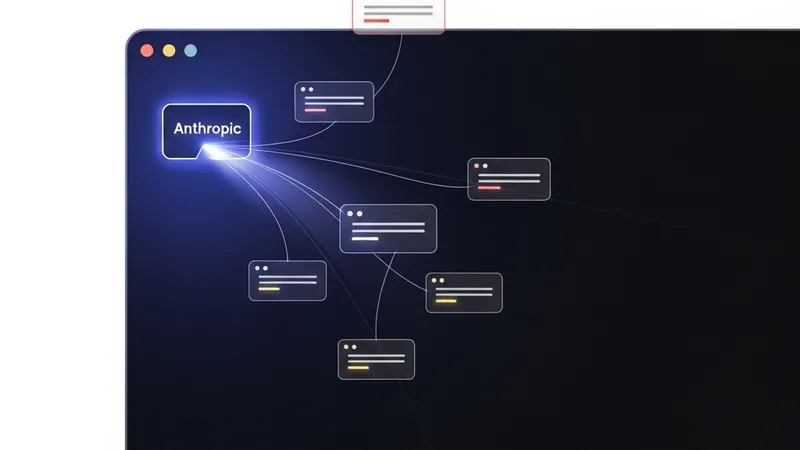
Recently, Anthropic launched Claude Code, a highly anticipated command-line AI agent that allows developers to write code, run tests, and manage Git directly from the terminal. However, many early adopters have noted that the constant security permission prompts significantly disrupt the development flow. To prevent unauthorized actions, the agent asks for manual confirmation for almost every step, defeating the purpose of seamless automation.
Fortunately, you can reduce these repetitive prompts by 90% with proper optimization. The first step is configuring Trusted Workspaces. By editing the .claudecode/config.json file in your project root, you can label specific local paths as trusted, allowing #Claude to read/write files and execute local test suites without asking for authorization every time.
Secondly, leveraging the fine-grained tool permissions of the Model Context Protocol (#MCP) is essential. You can define a whitelist for safe CLI commands. For example, allowing the agent to run `git status` or `npm test` automatically, while keeping strict confirmation requirements for destructive commands like `rm` or `git push`. Customizing the auto-approve-tools option balances security and speed perfectly.
Lastly, for development inside secure, sandboxed environments like Docker or Devcontainers, you can bypass prompts entirely by initiating the session with temporary flags such as --yes-to-all or setting the environment variable `CLAUDE_TRUST_SESSION=true`. This grants the agent full execution power for that specific terminal session, offering an ultra-fast, uninterrupted workflow.
[AgentUpdate Depth Analysis] As AI agents shift from chat interfaces to direct terminal control, the tension between security and efficiency becomes highly prominent. Claude Code's restrictive prompt model reflects Anthropic's safety-first philosophy. Compared to peers like Cursor or Aider, Claude Code is more integrated but heavily bound by safety guardrails. Optimizing this via trusted paths and fine-grained MCP policies shifts the paradigm toward "dynamic trust". This evolution is critical for the wider AI Agent ecosystem: future agents will rely on context-aware, micro-permission frameworks rather than binary all-or-nothing access. Resolving this trust bottleneck at the protocol level is the definitive bridge to achieving safe, fully-autonomous AI workflows.