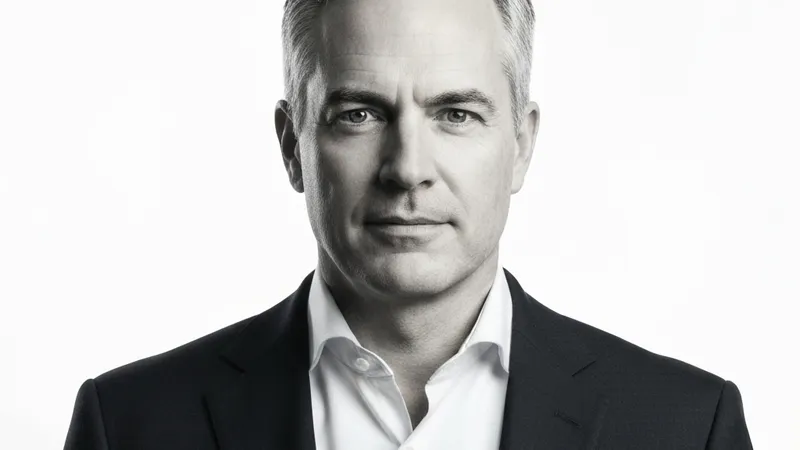
Peter Steinberger, the creator of OpenClaw, recently shared his pivotal moment of realization regarding the immense power of AI agents. He described this turning point during a TED Talk, emphasizing the fundamental difference: "Chatbots give up. Agents improvise." While most AI tools at the time were language models focused on ingesting information and returning text, Steinberger envisioned bots capable of automating complex computer tasks traditionally performed by humans.
This breakthrough occurred in early 2025 during a trip to Marrakesh, Morocco. Steinberger had initially built a text-based AI bot to assist with navigation, restaurant discovery, and translation within the city. Crucially, he had not designed it to handle voice messages. However, during his trip, he sent the bot a voice note, and what transpired fundamentally altered his perception of AI capabilities.
In a mere nine seconds, the OpenClaw bot autonomously processed the voice message through a rigorous sequence of actions: it ingested the message, inspected the file, recognized it as audio, accessed a voice-to-text translation feature via an OpenAI key, converted the audio into an easily readable format, sent the processed information to the server, and then generated a response. This seamless, unprogrammed execution of multiple steps led Steinberger to describe it as a "holy shit" moment, a vivid awakening to the autonomous task-handling potential of AI.
OpenClaw, which started as a text-based AI bot, quickly demonstrated its capacity to complete tasks for which it hadn't been explicitly built. This powerful improvisation capability has since made OpenClaw a significant development in Silicon Valley, prompting tech leaders to rapidly deploy more AI agents capable of automating sophisticated computer workflows.