OpenAI has officially announced its new Lockdown Mode. Rather than an automated panic trigger, this feature functions as a voluntary digital "safe room" for ChatGPT users. It is designed specifically to protect sensitive workflows from prompt injection attacks—an insidious tactic where attackers embed malicious instructions into web content to compromise the AI.
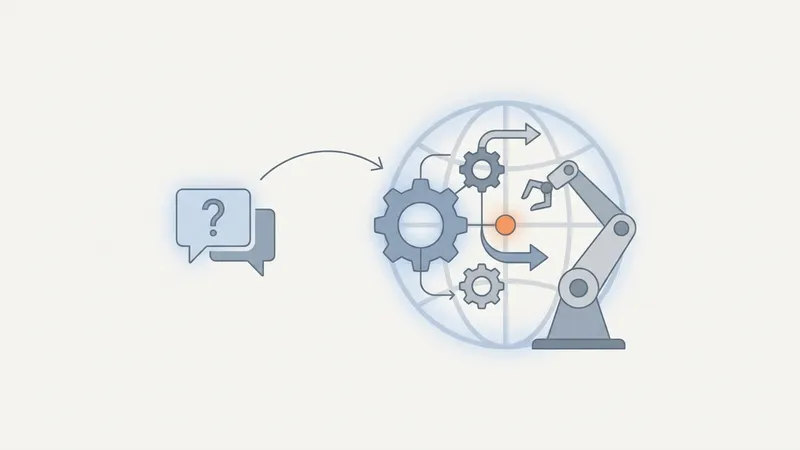
The danger arises whenever a Large Language Model (LLM) breaks containment from its simple chat window. When the AI browses the web, retrieves external images, or acts as an active AI Agent (like booking flights on a user's behalf), it creates entry points for hackers to exfiltrate data or hijack the user's account. Lockdown Mode mitigates this by severing these external connections entirely.
Under Lockdown Mode, ChatGPT operates under strict boundaries. The system cannot: browse the live web; display images in its responses (though image generation and uploads remain active); utilize OpenAI's Deep Research; function as an autonomous agent; connect with the Canvas code generator; or download files.
OpenAI clarified that this mode is not for the average user, but for organizations handling highly sensitive data requiring robust defense against data exfiltration. While this step-back in functionality is a practical defense, it underscores a terrifying reality of AI adoption. As experts point out, the absolute safest "lockdown mode" remains simple: keep highly confidential data completely away from LLMs.
[AgentUpdate Depth Analysis] OpenAI's rollout of "Lockdown Mode" highlights the fundamental tension in the AI Agent ecosystem: the trade-off between autonomy and security. To perform useful, agentic tasks—like tool usage, web browsing, and API orchestration—an agent must interact with untrusted environments, exposing itself to prompt injection. While competitors like Anthropic focus on sandboxing, OpenAI’s brute-force approach of disabling Agent capabilities and Deep Research temporarily solves the exfiltration risk by regressing the LLM back to a static offline chatbot. This security bottleneck indicates that until robust zero-trust frameworks or TEEs (Trusted Execution Environments) are integrated into AI architectures, the deployment of enterprise-grade AI Agents in highly regulated sectors like finance and healthcare will remain severely bottlenecked.