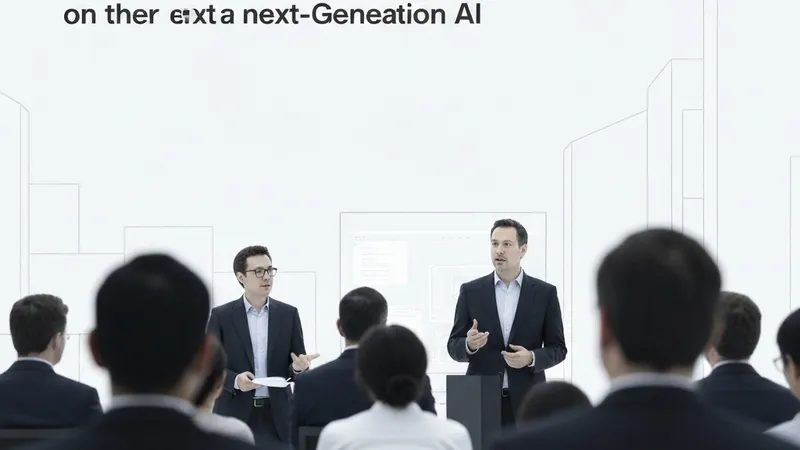
Leading AI companies OpenAI and Anthropic recently met with staff from the U.S. House Homeland Security Committee to brief them on their next-generation AI models. The discussions focused on these models' capabilities in cyber offensive and defensive operations, as well as the broader implications these advanced technologies hold for the cybersecurity landscape.
This engagement represents one of the first dedicated meetings where U.S. legislative bodies have directly addressed AI-driven cyber threats with two of the sector's most prominent players. A key emphasis of the discussions was the security risks that AI models could pose to critical infrastructure sectors, particularly those with less robust protections. An assistant to the committee confirmed that both AI firms conducted separate, private, and confidential briefings for congressional staff last Thursday.
The meetings underscore the growing concern within the U.S. government regarding the dual-use nature of AI technology, especially its potential in cyber warfare and defense, and the associated risks. As AI model capabilities continue to advance, regulators are actively seeking to understand these developments to formulate appropriate policy frameworks that ensure AI contributes positively to public safety while effectively mitigating potential misuse and harm.