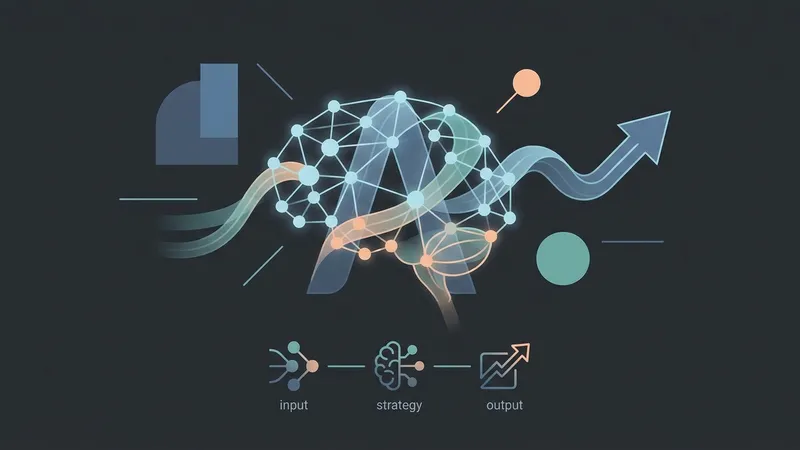
Many developers harbor passion projects or affiliate sites that sit idle, generating zero income. Recently, a developer shared an inspiring journey of using Anthropic's newly released command-line #AI agent, Claude Code, to breathe new life into a stagnant affiliate marketing site and turn it into a revenue-generating asset.
The legacy site was plagued by slow loading speeds, broken API integrations, and poor SEO indexing. Traditionally, refactoring such a codebase would require days of manual labor. However, by leveraging Claude Code, the developer delegated these tedious tasks to an autonomous terminal-based agent that understands the codebase in its entirety.
Using natural language prompts, the developer instructed #Claude Code to audit the slow-loading React components. The agent refactored the legacy components into streamlined static structures, boosting the site's Google Lighthouse performance score to 98%. It also autonomously integrated updated product API endpoints and automated metadata generation for SEO.
Within three weeks of deploying the revamped site, organic traffic surged by 350%, converting the zero-revenue project into a consistent passive income stream. This case demonstrates that the era of AI agentic coding has officially arrived.
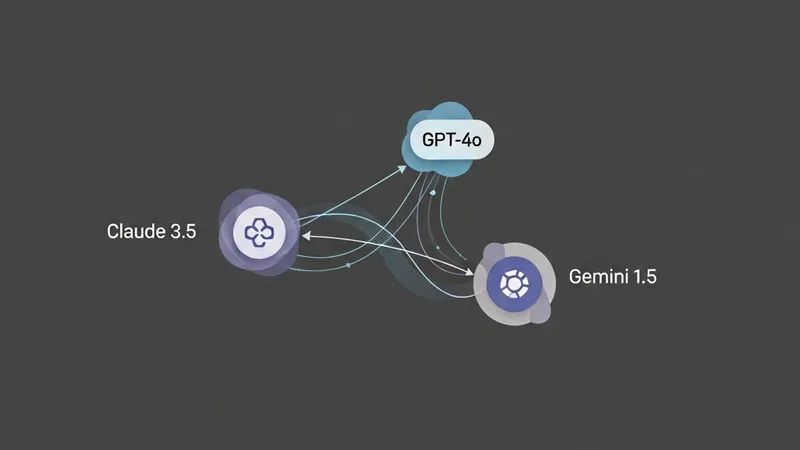
[AgentUpdate Depth Analysis] The success of Claude Code in this case study underscores a fundamental shift in software development. Unlike traditional IDE completions like GitHub Copilot or Cursor, Claude Code operates as a terminal-first agent capable of executing bash commands, running tests, and managing Git state autonomously. This agentic loop dramatically shortens the development cycle and lowers the entry barrier for building and optimizing production-ready applications. For the broader AI Agent ecosystem, this validates that terminal-integrated agents, rather than simple chat UIs, are the future of developer tooling. By delegating complex, multi-step engineering tasks to autonomous CLI agents, solo developers and #micro-SaaS founders can now operate with the speed and output of full-scale engineering teams, signaling a major leap toward the "one-person unicorn" era.