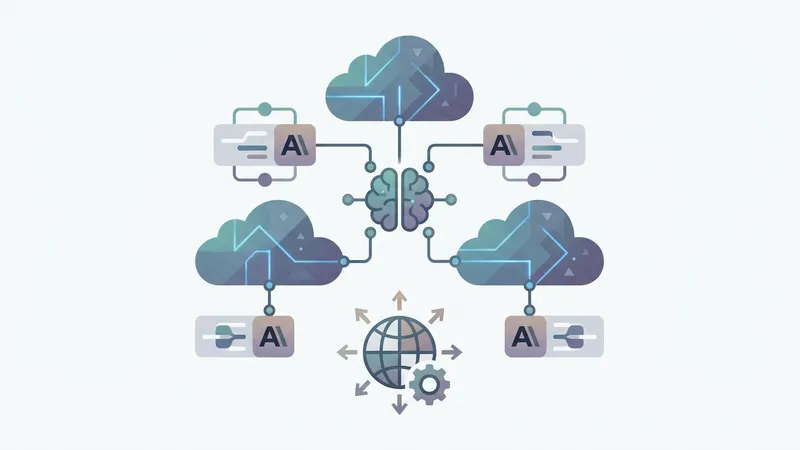
High idle rates stemming from lower-than-expected user adoption of Grok have prompted SpaceX (and xAI) to lease out its massive GPU infrastructure. To mitigate the high costs of idle data centers, SpaceX has recently structured landmark compute leasing agreements with rival AI giants, Anthropic and Google.
Under the terms of the newly revealed agreement, Google will pay SpaceX approximately $920 million per month to lease 110,000 Nvidia GPUs along with related high-performance computing infrastructure. SpaceX did not disclose whether Google's workload will run on the Colossus 1 or the newer Colossus 2 cluster. This deal provides Google with massive, immediate compute resources to bolster its proprietary Gemini models.
This arrangement closely mirrors an earlier deal with Anthropic, which committed to paying $1.25 billion monthly through 2029 for Colossus 1 compute. Both agreements include strategic escape clauses: SpaceX, Google, and Anthropic maintain the right to terminate their respective contracts after December 31, 2026, subject to a 90-day prior written notice, offering crucial flexibility in a highly volatile hardware market.
[AgentUpdate Depth Analysis] This unprecedented "compute subleasing" phenomenon underscores a critical mismatch in the current AI era: the massive capital expenditure on physical GPU infrastructure versus the slower commercial monetization of consumer-facing AI applications. Single chatbot products like Grok cannot fully absorb the throughput of mega-clusters, prompting a shift toward a liquid, utility-like compute market. For the AI Agent ecosystem, this is a highly positive catalyst. As raw compute becomes fluidly tradeable, the cost barrier for training advanced agentic foundation models decreases. High-performance, low-latency computing pools will enable complex multi-agent frameworks to scale seamlessly across heterogeneous cloud nodes. Ultimately, this infrastructure-level flexibility accelerates the transition of AI Agents from isolated, prompt-based assistants to highly integrated, autonomous enterprise agents.