Alphabet plans to invest up to $190 billion in AI and cloud infrastructure through 2026, with the company indicating a "significant" increase in spending again in 2027.
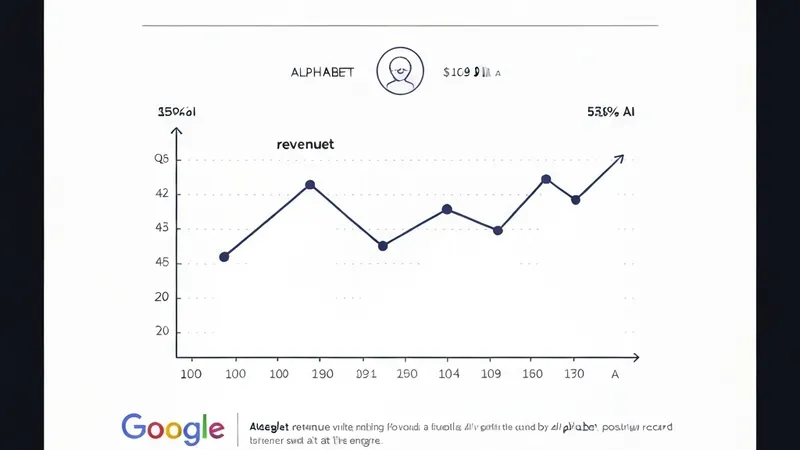
Alphabet reported a record $109.9 billion in revenue for the first quarter of 2026, marking a 22 percent overall increase. #Google Cloud's quarterly revenue surpassed $20 billion for the first time, growing 63 percent year-over-year. CEO Sundar Pichai noted that revenue could have been higher, as the business is currently constrained by a compute shortage. The cloud backlog has expanded to $462 billion.
Google attributes its cloud growth primarily to AI, citing a sharp increase in token usage. While token usage serves as a reasonable proxy for overall AI activity, it presents a weaker signal for actual usefulness.
To address surging demand, Google is re-evaluating its sales strategy for its in-house AI chips, TPUs. Previously exclusive to Google Cloud, the company will now begin direct shipping TPUs to select customers' data centers.
Key highlights from Alphabet's Q1 include: Search grew 19 percent, Cloud expanded 63 percent, AI models now process over 16 billion tokens per minute, paid subscriptions reached 350 million, and Waymo completed over 500,000 autonomous rides weekly.
AI is demonstrating pervasive impact across the business. Google reported an 800 percent year-over-year increase in revenue from generative AI models, with deal sizes continuing to expand. Paying monthly active users for #Gemini Enterprise, the company's B2B offering, grew 40 percent in a single quarter. Consumer Gemini applications also achieved their strongest quarter to date.
This impact is also evident in Search. Google Search, which many observers had deemed a declining business, grew 19 percent to $60.4 billion. Ads chief Philipp Schindler attributed this to Gemini's ability to help Google better understand user intent behind queries. This capability enables Google to serve more relevant ads against longer, more complex searches that were previously challenging to monetize.
"People love our AI experiences like AI Mode and #AI Overviews, and they're coming back to search more," stated Pichai. However, these AI-generated answers have drawn criticism, as Google leverages them to retain traffic that would otherwise go to external websites, effectively capturing publisher revenue without significant compensation for the underlying content.
While ads are slated for eventual integration into the Gemini chatbot, the current focus remains on AI Mode. The cost of serving AI Overviews and "core AI responses" within AI Mode has decreased by 30 percent, driven by hardware and engineering advancements.
Google continues to withhold specific AI revenue figures. Despite impressive growth percentages, Google refrains from disclosing specific revenue figures for its AI business. Furthermore, the extent to which booked workloads stem from circular deals with AI startups like Anthropic — where companies receive Google funding and reinvest it into Google services — remains unclear.
The broader question remains whether customers are deriving tangible economic value from these AI services.