Activists in San Francisco's Mission District were not giving up easily. Supervisor David Campos had taken the lead for anti-gentrification advocates, anchored by local non-profit groups. During the 2015 Cinco de Mayo festivities, Campos called for a moratorium on all new housing construction in the Mission, claiming it was the only way to give the district "a fighting chance."
The idea that new apartment buildings would push rents higher was—and remains—a source of endless debate. Scott Wiener, taking a more centrist path than Campos on San Francisco's Board of Supervisors, led the charge against the moratorium, which was voted down twice. It was too drastic a step even for the progressive-leaning Board. Yet, development in the district slowed dramatically due to political resistance; a proposed 10-story apartment building dubbed "the Monster in the Mission" by activists became a symbol of the fight and was ultimately abandoned.
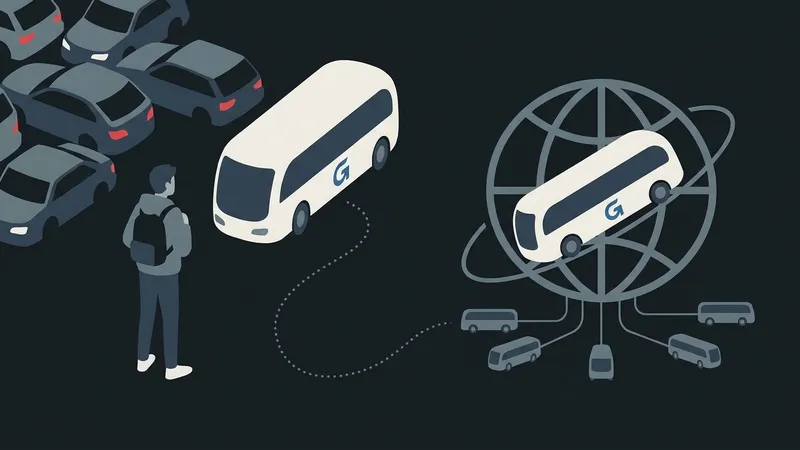
However, the gentrification arguments were not solely about rent. Nothing demonstrated this cultural clash better than the theatrical protests targeting what were universally known as the Google buses.
Cari Spivack, the mid-level #Google employee who first created the company's commuter shuttle program, never imagined she would spark a years-long political row over whether tech was destroying San Francisco's soul. Her motivation was simple and personal: She was sick of sitting in traffic.
A designer by trade, Spivack had been working at 3Com in the early 2000s when she noticed the simple elegance of Google's minimalist homepage. Inspired, she connected with Google and joined as a product manager when the company had only a few hundred employees. It was a dream job—except for the grueling 45-minute white-knuckle commute from her home in Bernal Heights to Mountain View.
She tried taking Caltrain, the creaking, diesel-powered commuter railroad, but with inconvenient stations and glacially slow schedules, it took forever. Carpooling was better but created a constant coordination hassle. This friction eventually drove her to propose a dedicated corporate transit solution to streamline the daily trek for tech workers.
[AgentUpdate Depth Analysis] The historical friction surrounding the "Google buses" serves as a profound precursor to the physical-digital divide now facing the AI Agent and LLM ecosystem. Just as the transit network of Silicon Valley tech giants disrupted local urban infrastructures, the massive physical footprints of modern AI—ranging from high-power data centers to localized hardware hubs—are increasingly clashing with real-world resources like energy grids and local communities. As AI Agents transition from digital screen-based assistants to physical-world actuators and workforce displacers, tech leaders must anticipate these socio-economic bottlenecks. The lesson of the Google bus is clear: technological advancement cannot exist in a vacuum; it must actively integrate with and respect the physical and social infrastructures of the communities it inhabits.