At Tuesday’s virtual Android Show: I/O Edition, Google unveiled a wave of upcoming updates centered on enhanced Gemini Intelligence, a new hardware category called Googlebook, and various Android refinements. These announcements arrive just ahead of Google’s annual developer conference, signaling a continued aggressive push into consumer-facing AI agent integration.
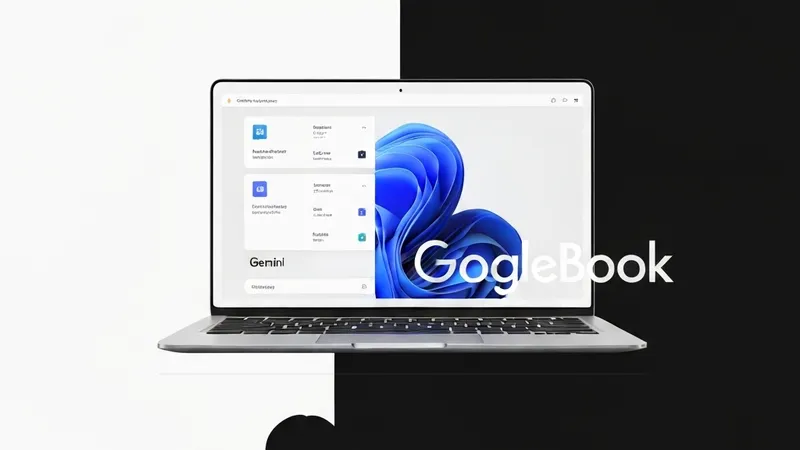
The centerpiece is Googlebook, a new line of laptops developed with partners like Acer, Asus, Dell, HP, and Lenovo. Launching this fall, Googlebooks are described as the first laptops designed from the ground up for Gemini Intelligence. A key feature is the "Magic Pointer," a specialized cursor with integrated Gemini capabilities. These devices will also offer deep integration with Android phones, allowing users to run mobile apps directly on their laptops and build custom AI-driven widgets.
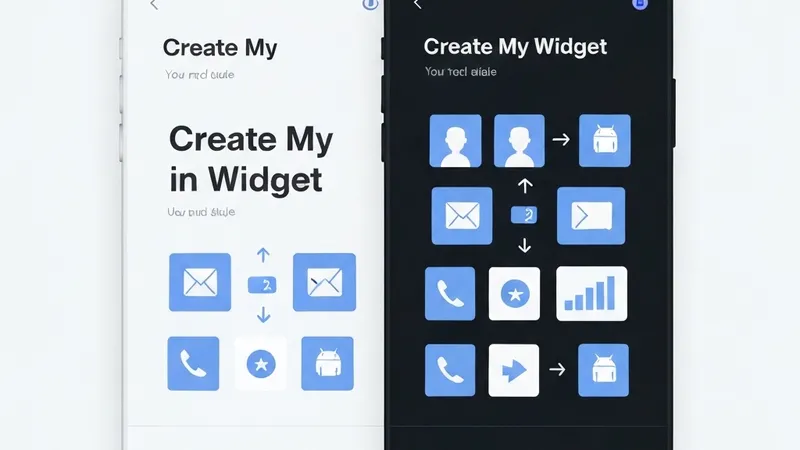
Google also introduced the "Create My Widget" feature, which utilizes natural language processing to let users design custom dashboards. By simply asking for specific content—such as "suggest three high-protein meal prep recipes every week"—users can generate and resize custom widgets on their home screens. This feature will debut on the latest Samsung Galaxy and Google Pixel phones this summer.
Android Auto is receiving a significant overhaul to accommodate various screen shapes, including ultrawide and circular displays. For the first time, users will be able to stream YouTube videos in 60 fps full HD in supported vehicles from brands like BMW, Ford, and Mercedes-Benz. Furthermore, Gemini is rolling out broadly to Android Auto, enabling hands-free brainstorming and information retrieval, alongside new integration with DoorDash for in-car food ordering.
To round out the updates, Google announced a massive redesign of the Android emoji library. All 4,000 emojis have been refined with a 3D aesthetic to appear more lifelike and expressive, with a full rollout scheduled for later this year.