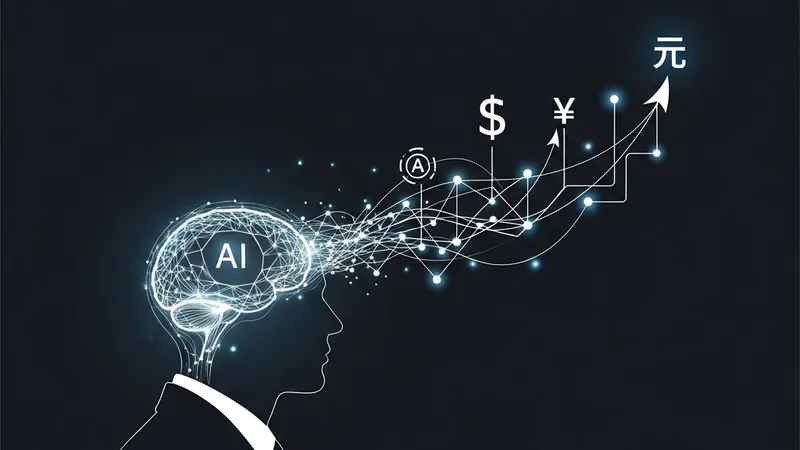
According to sources close to the investment community, Chinese AI pioneer DeepSeek has completed its historic first major #funding round, raising a staggering 51 billion RMB (approximately $7.1 billion USD). In a highly unconventional move for frontier AI startups, founder Liang Wenfeng personally contributed approximately 20 billion RMB to become the largest single backer, ensuring strong founder-led governance over the company's path to #AGI.
The investor syndicate represents a powerhouse of domestic sovereign, industrial, and venture capital. Key participants include sovereign fund Guozhitou, tech giants Tencent, NetEase, and JD.com, alongside battery leader CATL's ecosystem. On the venture capital front, IDG Capital contributed 3 billion RMB, alongside Loyal Valley Capital, Shixiang Technology, and Monolith Capital. This massive war chest will be primarily deployed to expand proprietary compute infrastructure and accelerate next-generation foundation model development.
[AgentUpdate Depth Analysis] #DeepSeek's historic $7.1 billion funding round marks a pivotal moment for the global AI Agent ecosystem. Founder Liang Wenfeng’s massive personal commitment ensures that DeepSeek retains strong internal governance and strategic autonomy—a sharp contrast to the boardroom conflicts seen at Western counterpart OpenAI. As a premier provider of highly efficient, open-source reasoning models like DeepSeek-R1, DeepSeek has become the cost-effective backbone for worldwide Agent developers. This immense capital reserve guarantees continuous subsidies for compute and API costs, drastically lowering the barrier to entry for building complex, multi-agent workflows. Furthermore, the strategic involvement of industrial and consumer giants like Tencent, NetEase, and CATL signals a shift toward deploying robust, production-grade AI Agents across real-world enterprise environments, speeding up the transition from experimental software to autonomous industrial intelligence.