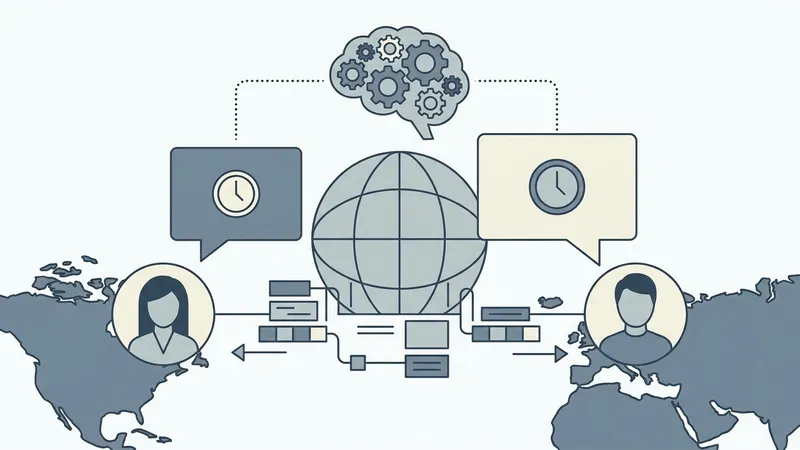
In modern software development, Claude Code serves as a powerful terminal-based AI assistant. However, traditional terminal sessions are strictly isolated, limiting cross-session collaboration. To overcome this hurdle, developers can build Custom Skills to empower #Claude Code with asynchronous communication capabilities.
The core of this architecture relies on a local or cloud-based message broker, such as Redis or a lightweight file database, acting as a transit hub between different terminal sessions. Using a custom CLI tool, one Claude Code instance can push execution states, code snippets, or queries to a shared queue. Meanwhile, another instance running in the background or a different directory can asynchronously retrieve and process these tasks. This asynchronous pattern is particularly efficient for long-running refactoring tasks, multi-module parallel development, and automated testing pipelines.
In terms of implementation, we can develop a tool compliant with the MCP (Model Context Protocol) specification. This tool exposes two core APIs: send_message and poll_messages. Written in TypeScript or Python, it allows developers to quickly establish a robust communication backbone, enabling multiple AI instances to collaborate seamlessly in a true multi-agent terminal environment.
[AgentUpdate Depth Analysis] Asynchronous cross-session communication represents a major evolutionary leap for AI Agents, transitioning them from isolated actors to collaborative teams. Traditional Agents are constrained by a single session's context window. By leveraging the #MCP protocol alongside custom skills to build an asynchronous communication bus, we not only break down physical session boundaries but also enable distributed solving of highly complex tasks. Compared to heavy orchestration frameworks like LangChain or CrewAI, this lightweight approach built directly into Claude Code integrates seamlessly with local developer workflows, setting a powerful precedent for the future of terminal-native Multi-Agent ecosystems.