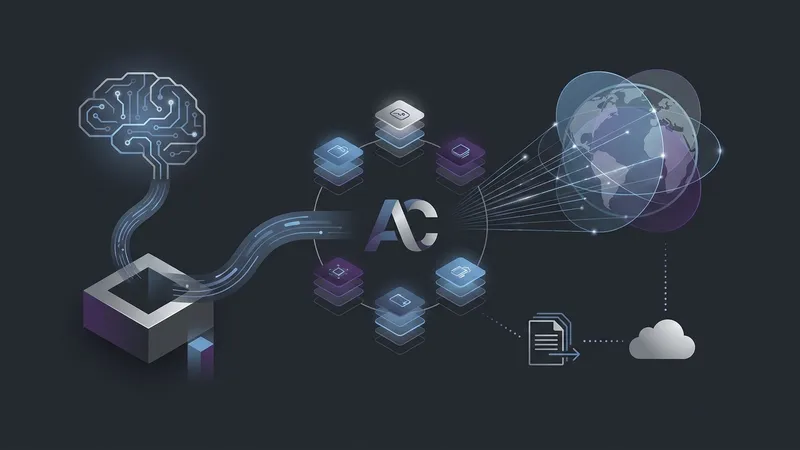
With Anthropic introducing Claude Code, developers now have a highly capable CLI companion for terminal-based development. However, the true power of Claude Code lies in its native support for MCP (Model Context Protocol). #MCP allows developers to seamlessly expose custom #Python data sources and local tools directly to Claude, enabling it to query databases, call internal APIs, or interact with local hardware.
To build a custom Python MCP server, developers can leverage the official mcp Python SDK. With just a few lines of code using FastMCP, you can expose local services. For instance, creating a tool that provides local system metrics is incredibly straightforward:
from mcp.server.fastmcp import FastMCP

mcp = FastMCP("SystemMonitor")

@mcp.tool()
def get_system_load() -> str:
    return "CPU: 24%, RAM: 60%"
Once the Python script is ready, the next step is connecting it to Claude Code. This is done by modifying the claude_config.json configuration file on your system. You need to register your custom server under the mcpServers section, defining how Claude Code should spin up your Python environment, often using uv or standard python execution commands:
{
  "mcpServers": {
    "my-system-monitor": {
      "command": "uv",
      "args": ["run", "monitor.py"]
    }
  }
}
After configuring, launch Claude Code. It will automatically initialize the connection and discover your exposed Python tools. You can immediately ask Claude in the terminal to "check system status", and it will invoke your local Python server dynamically to fetch real-time data, completely bypassing complex custom API wrappers.
[AgentUpdate Depth Analysis] The introduction of MCP represents a monumental shift toward standardization in the AI Agent ecosystem. Unlike proprietary tool-calling formats (such as OpenAI's function calling or LangChain's custom wrappers), MCP establishes a unified, open-standard communication protocol based on JSON-RPC 2.0. By standardizing how agents interact with external data and execution runtimes, MCP acts as the "USB port" for the AI era. This minimalist integration with Claude Code demonstrates how easily complex systems can be composited, laying the groundwork for a decentralized, plug-and-play AI tool ecosystem where agents can seamlessly orchestrate diverse local and remote environments.