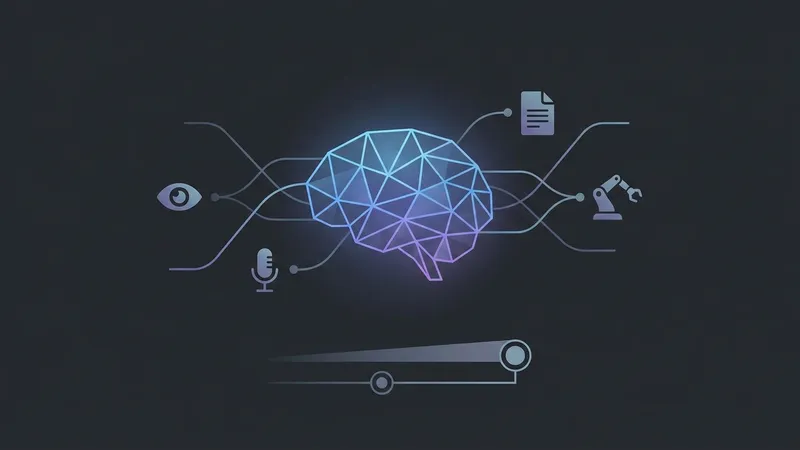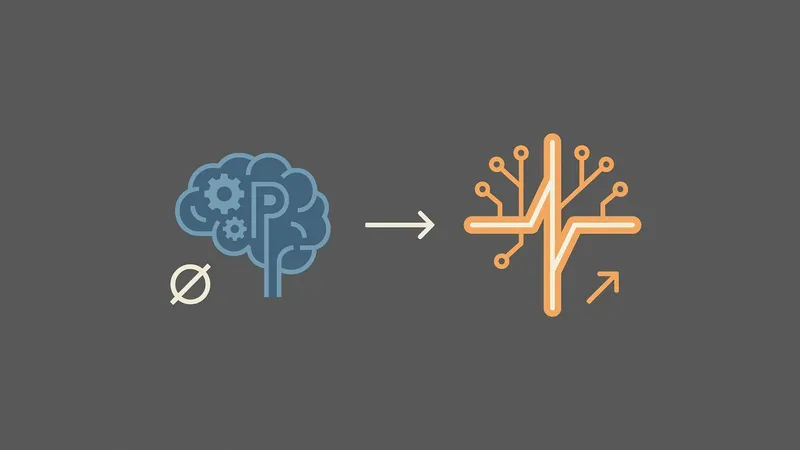
In the current AI-assisted development and Agent ecosystem, Plan Mode has become a standard feature in next-generation AI editors like Cursor and Windsurf. Under Plan Mode, an AI can analyze complex codebases and draft detailed step-by-step roadmaps. However, planning alone is insufficient. Recently, a major upgrade dubbed "Superpowers" for Anthropic's Claude is breaking this limitation, transforming the AI from a passive planner into an active executor.
The core of this "Superpowers" feature lies in empowering Claude 3.5 Sonnet to autonomously execute, debug, and validate code without constant human intervention. This upgrade deeply integrates the Model Context Protocol (#MCP), allowing #Claude to seamlessly connect to local environments, databases, and various external APIs. While traditional Plan Mode stops at proposing code edits, "Superpowers" enables Claude to directly run shell commands inside secure sandboxes, install dependencies, and self-correct compilation errors via real-time feedback loops.
For developers and AI architects, this represents a major paradigm shift in development workflows. The tedious process of copying and pasting terminal outputs and repeatedly prompting the AI to fix errors is now replaced by a closed-loop autonomous agent workflow. Claude can not only simulate human actions via the Computer Use API but also achieve an outstanding autonomous success rate in complex refactoring tasks through direct low-level system integrations.
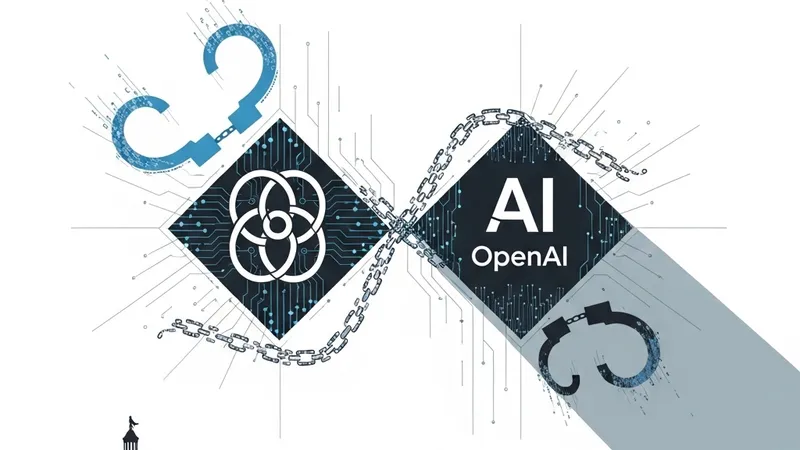
[AgentUpdate Depth Analysis] Claude's evolution from "Plan Mode" to "Superpowers" autonomous execution marks a rapid shift from the "Copilot" era to the "Co-worker" era for AI Agents. Comparatively, while OpenAI boasts powerful reasoning with o1, it remains relatively closed off in terms of system-level autonomous execution and open-protocol support compared to #Anthropic's open-source MCP ecosystem. Claude's ability to directly control the terminal and perform closed-loop debugging eliminates cognitive friction in human-AI collaboration. In the long run, this robust "plan-execute-reflect-correct" cycle will elevate AI Agents from simple utilities to enterprise-grade digital workforces, fundamentally reshaping software engineering and automated DevOps.