AI pioneer Anthropic has unveiled groundbreaking updates to its pay-as-you-go dynamic pricing model for the Claude platform. These features are specifically engineered to eliminate the cost barriers of running continuous AI automation and complex AI agents. By combining Prompt Caching with the newly launched Message Batches API, developers can now deploy sophisticated, long-context workflows at a fraction of previous costs.
In terms of technical specifics, the Message Batches API allows developers to submit asynchronous bulk requests, returning results within 24 hours at a massive 50% discount. This is ideal for background agent tasks like batch code auditing and large-scale data extraction. Meanwhile, Prompt Caching slashes the cost of repeating long reference materials or chat histories by up to 90%, relieving agents of the heavy financial burden associated with multi-turn tool calling and reasoning loops.
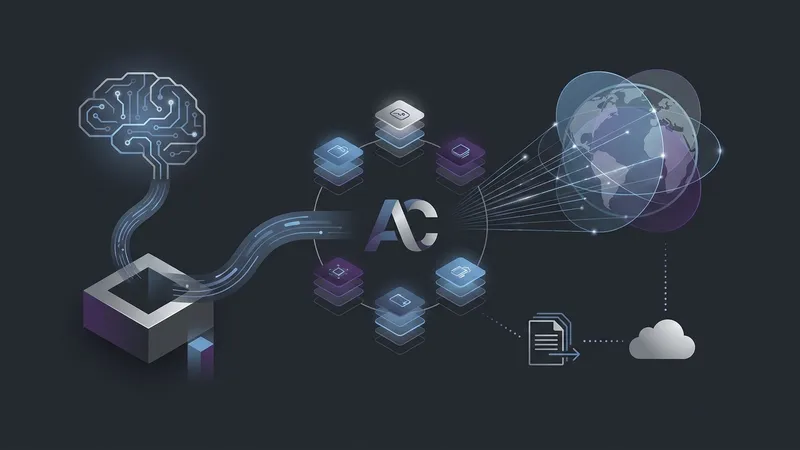
Combined with the newly open-sourced MCP (Model Context Protocol), #Claude's dynamically optimized pricing provides a robust foundation for building advanced agentic ecosystems. When agents continuously query external databases, local development environments, or third-party APIs, this pay-as-you-go model ensures that high-frequency, long-duration tasks are commercially viable, moving AI automation from experimental stages to scalable production environments.
[AgentUpdate Depth Analysis] Historically, the compounding cost of token consumption has been the primary bottleneck preventing AI agents from scaling in enterprise environments. #Anthropic’s optimization of its pay-as-you-go dynamics through Prompt Caching and batch processing represents a fundamental shift in infrastructure-level agent economics. Compared to OpenAI's batching services, Anthropic's deep integration with long-context retrieval is much more suited for continuous, autonomous workflows. As agents increasingly rely on #MCP to query enterprise knowledge bases, these pricing dynamics lower operational costs by an order of magnitude. This moves the industry closer to viable ROI for autonomous agent fleets, significantly accelerating the enterprise adoption of agentic workflows.