Recently, Anthropic officially rolled out a major upgrade to its developer-centric flagship model, Claude Fable 5. This update is not merely a routine parameter tuning, but a deep restructuring addressing the core pain points faced by AI Agent developers in production environments. The core upgrades center around ultra-low latency tool calling, native MCP (Model Context Protocol) support, and robust complex state tracking, aiming to provide a stronger foundation for autonomous software agents.
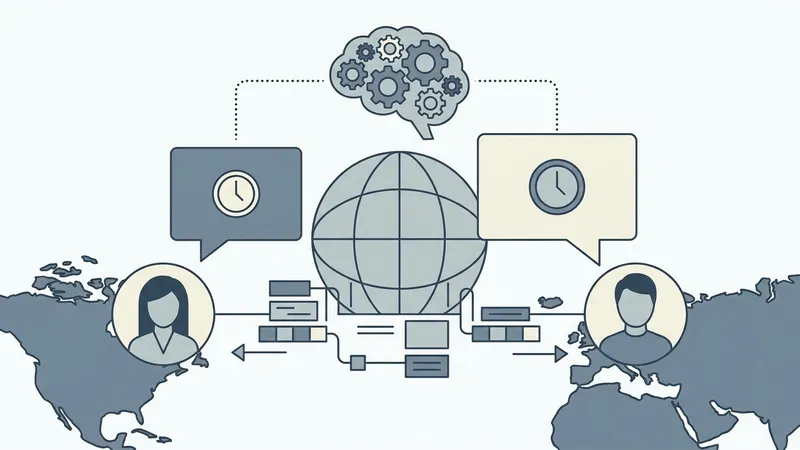
In terms of performance metrics, the upgraded #Claude Fable 5 achieves a remarkable 99.9% recall accuracy across its 200k context window, virtually eliminating the "Lost in the Middle" issue. More excitingly for developers, end-to-end tool-calling latency has been slashed by 40%, and the error rate in complex, multi-step parallel tool executions has dropped by 50%. This means agentic workflows built on Fable 5 can now interact with external APIs, databases, and local environments with near-instantaneous responsiveness.
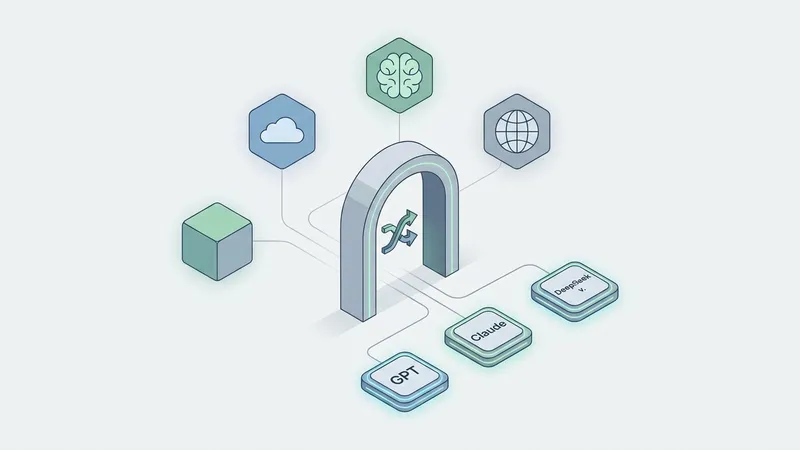
For practical implementation, developers integrating the upgraded Fable 5 are encouraged to adopt the newly optimized JSON Mode. This mode pairs with strict Schema constraints to guarantee structured outputs that match defined interfaces flawlessly. Furthermore, with native MCP integration, developers can bypass writing fragile glue code, allowing agents to securely interact with local file systems and enterprise SaaS platforms out of the box.
[AgentUpdate Depth Analysis] The upgrades in Claude Fable 5 signify a pivotal shift in the AI paradigm from Chat-as-a-Service to Agent-as-a-Service. While OpenAI focuses heavily on consumer-facing multimodal real-time channels, #Anthropic is double-downing on robust, programmable, and system-level agent execution. By establishing and natively embedding the Model Context Protocol (#MCP), Anthropic is actively designing the standard OS for future AI Agents. In the long run, this protocol-level abstraction will dramatically lower the barrier to deploying reliable enterprise agents. Agents will transition from siloed conversational interfaces into predictable, highly integrated digital teammates deeply woven into existing software ecosystems.