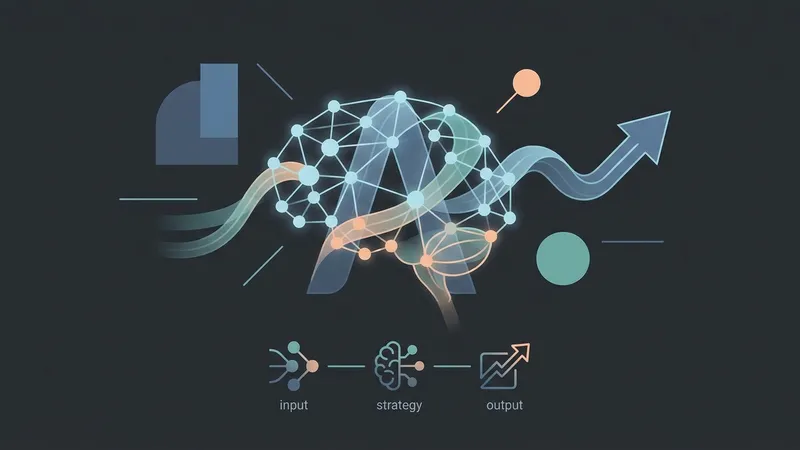
Recently, the AI community was set abuzz as reports emerged that Anthropic briefly tested or deployed a cutting-edge model variant codenamed Claude Fable 5. During its brief appearance, the model demonstrated breathtaking multi-step reasoning and contextual generation capabilities, shining brightly in complex agentic workflows and creative collaboration.
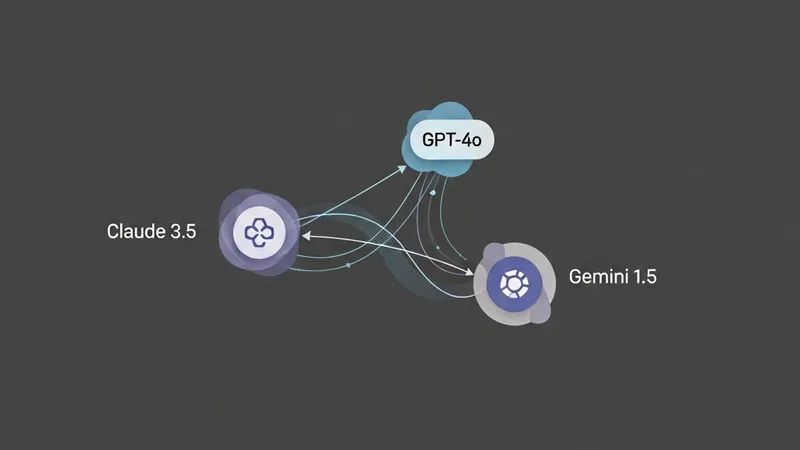
Initial tests indicated that "Fable 5" surpassed the current #Claude 3.5 suite in linguistic comprehension and adaptability. Crucially, it showed immense potential for building autonomous AI Agents, demonstrating an innate ability to parse vague instructions and autonomously outline dozens of execution steps with high stability under zero-shot conditions. However, shortly after its brilliance became apparent, #Anthropic initiated a "global recalibration," restricting access to adjust its safety and alignment parameters.
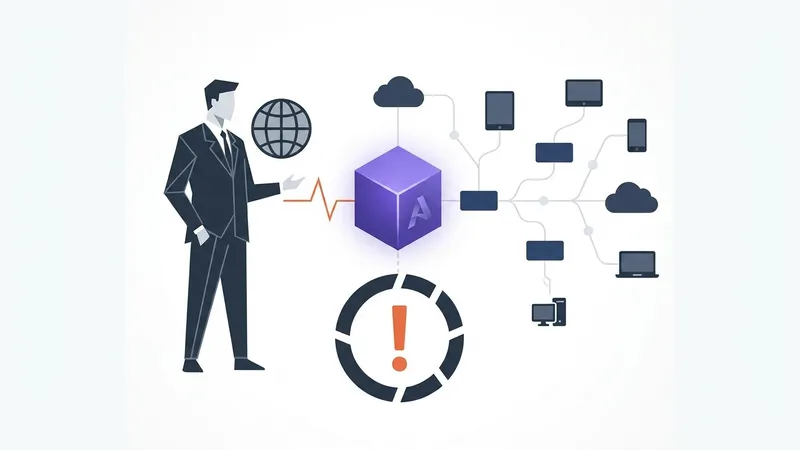
Industry experts speculate that this swift recalibration reflects the ongoing challenge of balancing raw agentic capability with robust safety guardrails. As LLMs achieve exponential #reasoning leaps, preventing unintended agentic drift remains a paramount concern for developers worldwide.
[AgentUpdate Depth Analysis] The brief emergence and subsequent recalibration of Claude Fable 5 highlight a critical tension in the AI Agent ecosystem: the trade-off between raw autonomous capability and safety alignment. While models like OpenAI o1 rely heavily on chain-of-thought "slow reasoning" to optimize accuracy, Anthropic’s Fable series suggests an alternative path focused on "narrative-driven contextual reasoning." This approach could significantly mitigate hallucination during long-horizon agent planning, making it highly suitable for complex multi-agent workflows. However, the immediate "recalibration" underscores that current safety frameworks are pushed to their limits when agents gain deeper tool-use capabilities. The future of the agentic ecosystem will be won by those who can embed dynamic, real-time safety guardrails directly into the agent's core cognitive loop without degrading performance.