In modern software engineering, the race for development efficiency has reached a fever pitch. Recently, a powerhouse #workflow combining ChatGPT, Antigravity, and Codex has garnered significant attention across the developer community. This tri-factor workflow aims to supercharge system development, reportedly boosting developer productivity by over 70%.
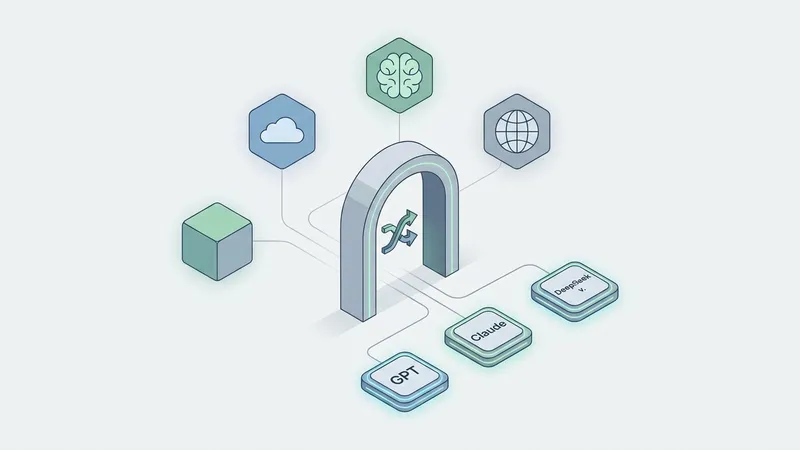
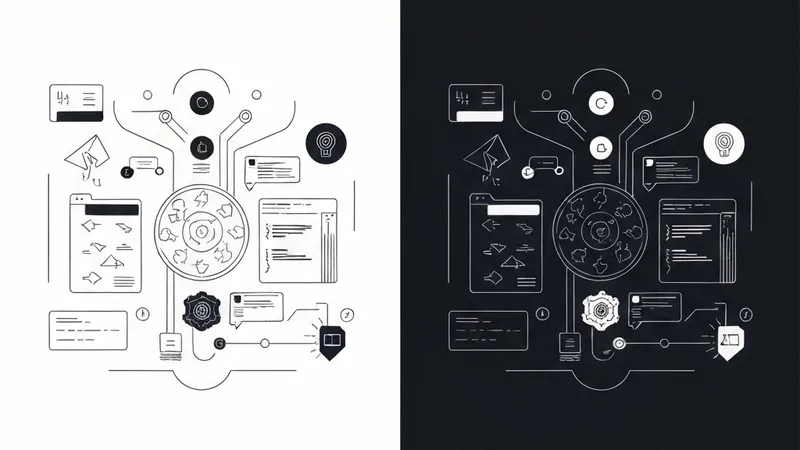
Traditional AI code generation tools are often limited to single-method or class-level completions, struggling with complex system-level architectures. This new workflow segmentizes the development pipeline: first, ChatGPT is leveraged for high-level system architecture design, API spec drafting, and business logic decomposition; second, the lightweight open-source orchestration tool Antigravity maps these blueprints into structured, executable task graphs; finally, Codex steps in to synthesize and inject the actual boilerplate and business logic.
In a benchmark test involving a medium-scale SaaS migration, this synergistic workflow enabled a small engineering team to complete a two-week migration in just 48 hours, achieving an impressive 92% unit test coverage with minimal human intervention.
[AgentUpdate Depth Analysis] The emergence of the #ChatGPT-Antigravity-Codex pipeline marks a paradigm shift from 'autocomplete assistants' to 'autonomous system-level development #agents.' By introducing Antigravity as the orchestration middleware, this approach mitigates the common pitfalls of LLM hallucination and lack of state-management in complex engineering tasks. Compared to monolithic solutions like Devin or Copilot Workspace, this modular and decoupled workflow grants developers granular control and adaptability. As standardized communication protocols like MCP gain traction, we expect the future AI Agent ecosystem to rely heavily on such specialized, multi-agent frameworks, shifting the human developer's role from writing line-by-line syntax to supervising high-level systemic orchestration.