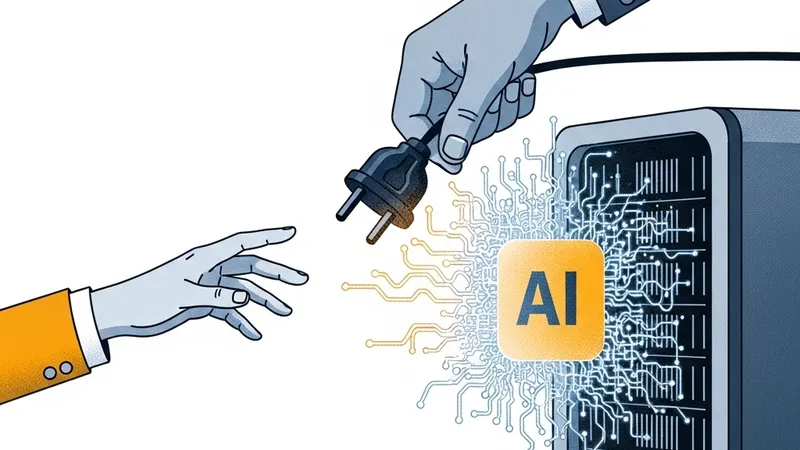
Former Bank of England Governor Mark Carney warned that recent compliance controversies and restrictions surrounding Anthropic serve as a wake-up call for global enterprises. He emphasized that tying core business operations entirely to a single proprietary AI model creates massive systemic vulnerabilities.
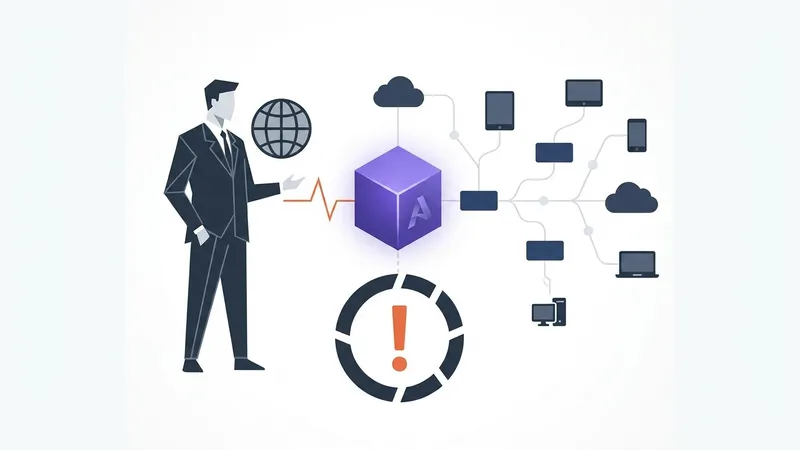
As generative AI becomes a foundational utility for modern businesses, any service outage, policy pivot, or regulatory ban from a single provider could paralyze dependent enterprises overnight. Carney suggested that financial institutions and large corporations must evaluate their technical resilience and actively adopt a diversified multi-model strategy to mitigate single points of failure.
Tech experts echo this sentiment, pointing out that reliance on proprietary APIs limits operational autonomy. Consequently, hybrid deployments and the integration of open-source alternatives, such as Meta's Llama 3, are rapidly gaining traction among enterprises seeking greater technological sovereignty.
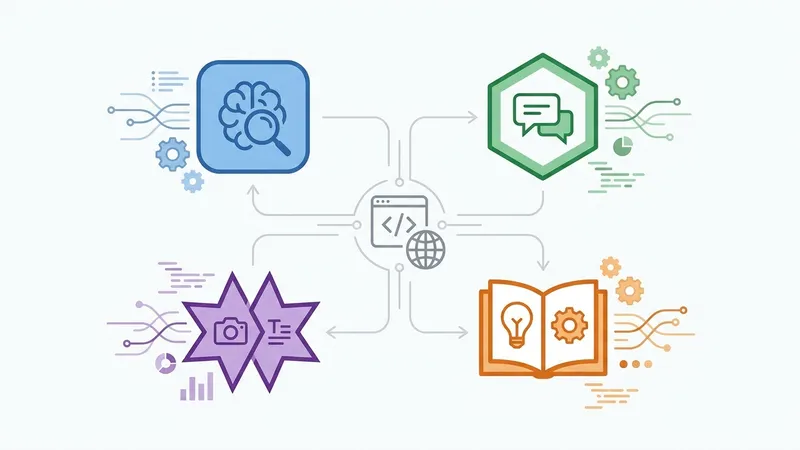
[AgentUpdate Depth Analysis] Mark Carney’s warnings strike at the very heart of the evolving AI Agent ecosystem. Currently, most advanced Agent architectures are deeply coupled with APIs from a handful of dominant providers, notably #Anthropic's Claude series. This tight coupling creates a massive single point of failure: not only in terms of uptime, but more critically, when subtle updates to safety guardrails or alignment policies unexpectedly break the Agent's prompt engineering and tool calling logic. To build resilient, enterprise-grade Agent workflows, the industry must transition toward a model-agnostic paradigm. Standardizing communication protocols like MCP (Model Context Protocol) and implementing intelligent #multi-model routing will be crucial. This shift ensures that if one vendor faces regulatory bans or service outages, the Agent can seamlessly switch to alternative proprietary or local open-source models, safeguarding operational sovereignty.