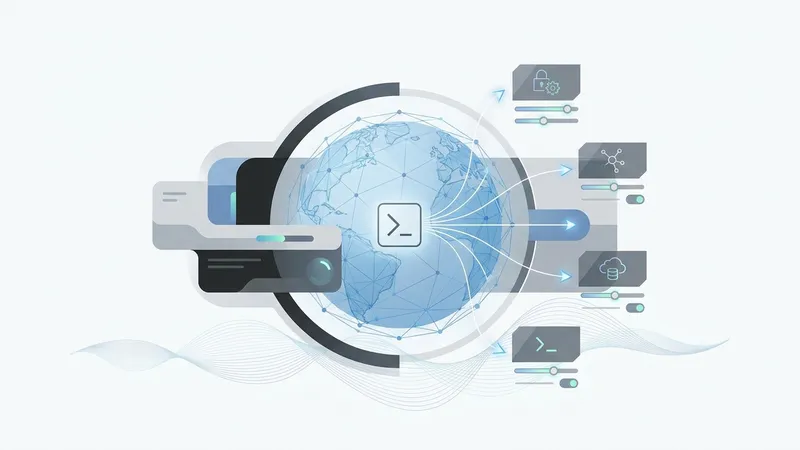
As models like OpenAI Codex gain traction in automated programming, the #security of AI-generated code has moved to the forefront of engineering concerns. An upcoming book delves into the best practices for architecting Secure Development Environments, focusing on preventing malicious code injection and #sandbox escapes during AI execution cycles.
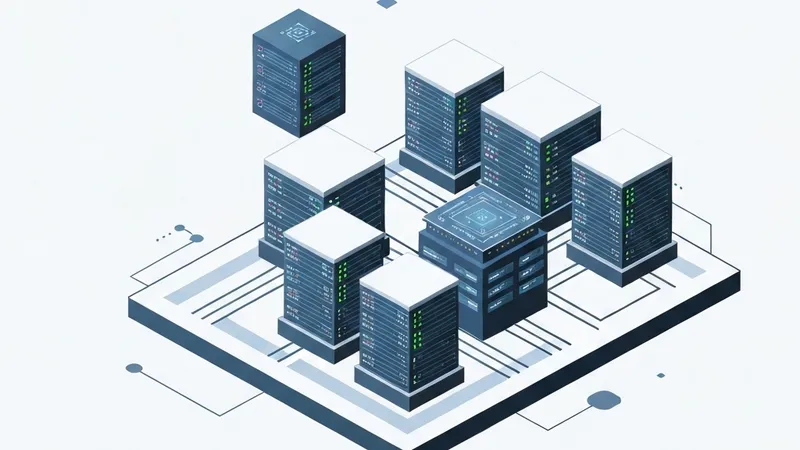
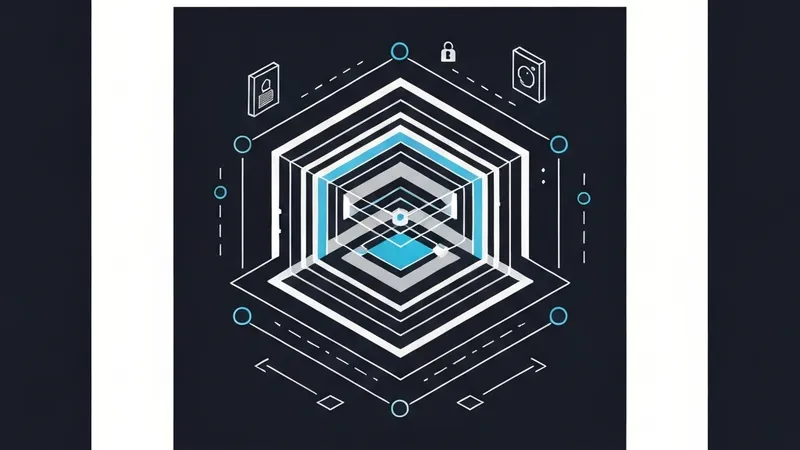
The text outlines a multi-layered defense strategy, advocating for containerization to isolate execution environments effectively. By running code snippets generated by Codex within constrained sandboxes, developers can mitigate risks associated with model hallucinations or unintended malicious outputs. Furthermore, the book evaluates integrating static analysis tools to validate AI output in real-time while adhering to the principle of least privilege for API access, significantly enhancing the robustness of autonomous programming systems.
[AgentUpdate Depth Analysis] The release of this book arrives at a pivotal inflection point for the AI Agent ecosystem. While developers have traditionally prioritized the reasoning capabilities of models like OpenAI Codex or GPT-4, the critical importance of secure runtime architecture has been historically overlooked. Unlike generic implementation patterns seen in LangChain or CrewAI, this book shifts the focus toward rigorous, infrastructure-level security that treats every AI-generated call as a potential vulnerability. When compared to existing sandbox solutions, the book’s emphasis on a 'Zero-Trust' design for agentic workflows marks a necessary evolution from experimental prototyping to production-grade reliability. This approach signals a structural shift in the industry, suggesting that the next generation of successful AI Agents will be defined not just by model intelligence, but by the security-hardened 'cages' in which they operate. For the long-term vitality of the AI Agent ecosystem, formalizing these development standards is essential to bridge the gap between Proof-of-Concept and mission-critical enterprise applications, ultimately fostering a more resilient and trustworthy autonomous software development lifecycle.