Keeping product documentation in sync with rapidly evolving codebases has always been a major challenge in software development. To address this persistent pain point, developers are now combining Anthropic's #Claude 3.5 Sonnet with GitHub Actions to build a fully automated documentation update pipeline.
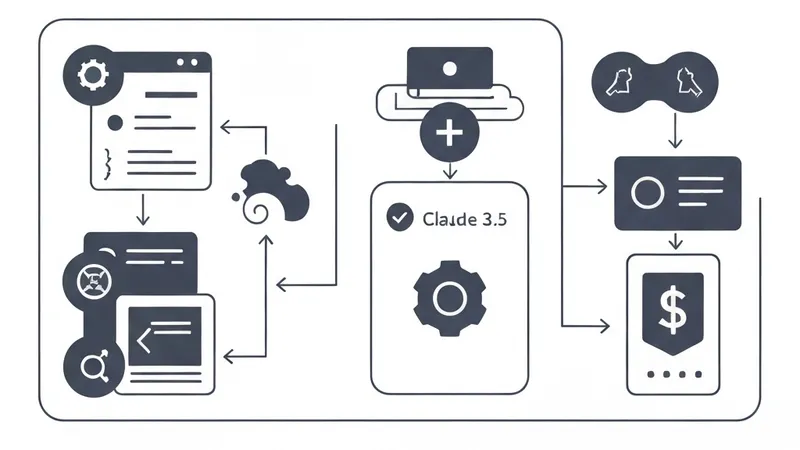
The core mechanism of this #automation is straightforward: whenever a developer pushes code or opens a Pull Request, the configured GitHub Action is triggered. The workflow runs git diff to extract the exact code changes and sends this delta, along with the existing documentation context, to the Claude API.
Leveraging its superior code comprehension and natural language generation capabilities, Claude analyzes how the code changes impact existing APIs or architectures, and automatically updates the corresponding Markdown files. Finally, the workflow commits the changes back to the repository or opens a new PR for review, eliminating manual writing bottlenecks.
In practice, developers must address two main challenges: optimizing prompt engineering to ensure Claude adheres strictly to existing documentation styles, and managing context windows effectively to control token costs and improve processing speed in larger repositories.
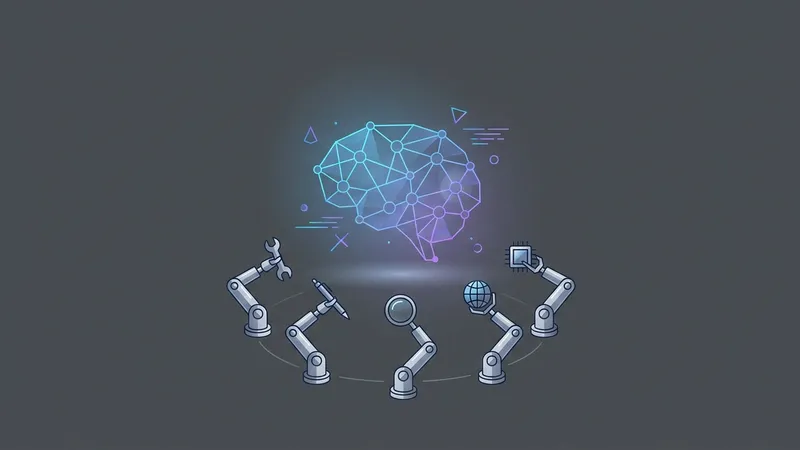
[AgentUpdate Depth Analysis] Integrating Claude with GitHub Actions for automated documentation exemplifies the shift of AI Agents from passive assistants to active, autonomous collaborators in the software development lifecycle (SDLC). By leveraging Claude 3.5 Sonnet's advanced reasoning and code-understanding capabilities, this workflow goes beyond simple text generation to capture the underlying semantic intent of code changes. In the broader AI Agent ecosystem, this demonstrates the potential of "GitOps-driven Agents." As protocols like MCP (Model Context Protocol) mature, we expect to see Agents dynamically interfacing with complete developer toolchains, automating not just documentation, but also code review, vulnerability patching, and deployment pipelines. This evolution will significantly lower technical debt and redefine how human developers collaborate with AI teammates.