At WWDC 2026 on Monday, Apple unveiled a newly AI-ified version of Siri—marking what has been described as the biggest and most dramatic transformation in the virtual assistant's history.
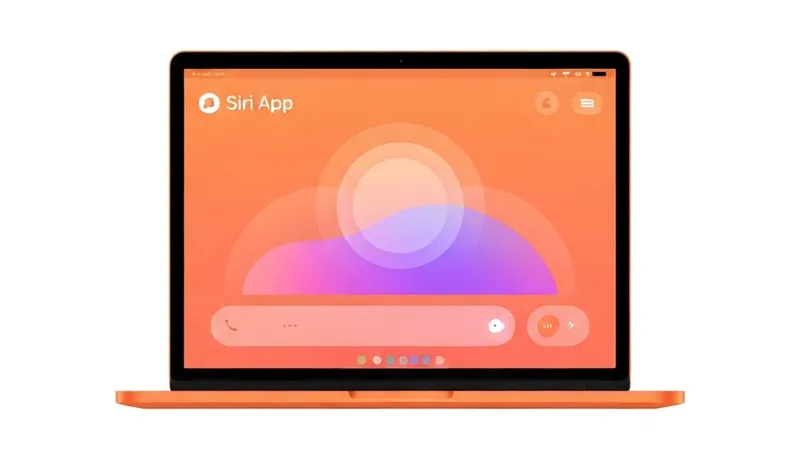
In addition to the launch of its upgraded #Siri AI capabilities, the personal assistant now features its own standalone app. The application is designed to act as a centralized repository of the user's historical, archived conversations with the assistant. Similar to the UI/UX of chatbots like ChatGPT and Claude, users can scroll through previous chats and seamlessly resume a session.
Upon opening a past session, the app provides a concise, automated summary of the conversation, saving users from scrolling through lengthy transcripts. The dedicated app also serves as the primary starting point for launching brand-new interactions with the assistant.
Siri now boasts a versatile, multi-modal interface that mirrors contemporary AI chatbots, allowing users to input text, upload documents and images, and access a high-fidelity voice mode for hands-free, natural conversations.
Designed for cross-device utility, the dedicated Siri app will run across #Apple's entire hardware ecosystem, including iOS, macOS, and iPadOS. In line with Apple's stringent privacy framework, all Siri chat logs are synced securely and privately via iCloud.
[AgentUpdate Depth Analysis] Unveiling a standalone app for Siri is a pivotal move for Apple, transforming it from a "fire-and-forget" voice utility into a persistent, stateful AI Agent. By introducing archived sessions and conversation summaries, Apple is addressing the critical "memory" limitation of traditional assistants. The integration of #multimodal inputs—text, documents, and vision—combined with cross-device iCloud synchronization, establishes Siri as a highly capable operating system-level agent. This evolution poses a direct threat to third-party chatbots on Apple hardware. More importantly, it lays the necessary groundwork for future on-device local models to proactively act on user data with deep contextual awareness, fundamentally shifting the paradigm of mobile and desktop computing.