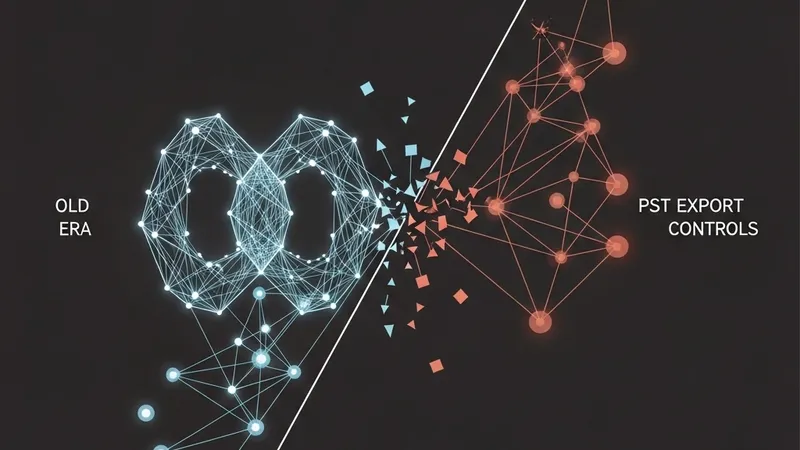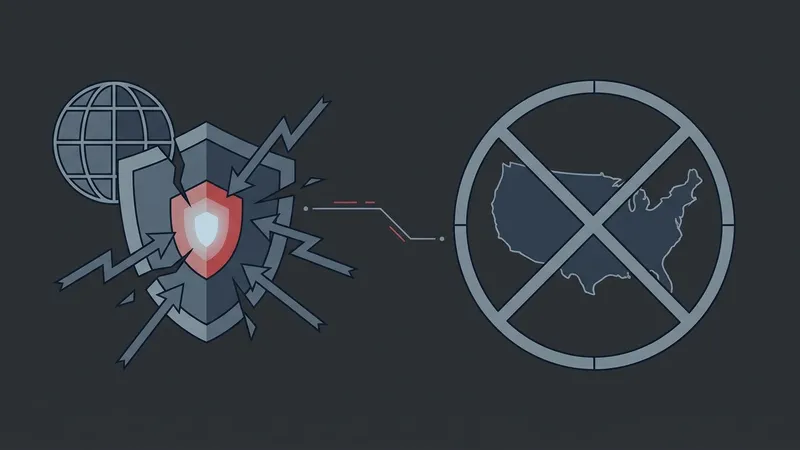
Anthropic has marketed its new Mythos model as a highly capable tool for discovering critical #cybersecurity gaps, initially restricting access to selected US organizations due to safety protocols. Before wider release, the company cooperated with government officials on a controlled deployment. According to data from AlphaSense, media mentions of #Mythos surged dramatically after its April announcement and spiked again following the export ban.
Some industry figures have criticized how #Anthropic handled negotiations with the administration. David Sacks, former AI tsar to the US government, wrote on X that a trusted partner had flagged a way to bypass the guardrails on Anthropic's previous model, Fable. He claimed Anthropic dismissed these concerns, leaving regulators with little choice but to enforce the export ban.
This ban follows public disputes between Anthropic and Washington over using AI for domestic surveillance and autonomous lethal weapons. In February, the Pentagon designated Anthropic as a supply-chain risk to national security, a decision currently being contested in court.
Public sentiment and global leaders have reacted. A YouGov poll shows most Americans prioritize effective regulation over pure technological speed. French President Emmanuel Macron stated the Anthropic dispute "clarified the stakes" for G7 nations, urging tighter AI cooperation. Meanwhile, policy researcher Lennart Heim pointed out the irony of a pro-innovation administration banning its own leading AI models while continuing to export advanced semiconductors.
[AgentUpdate Depth Analysis] The export ban on Anthropic's Mythos highlights a critical pivot point for the AI Agent ecosystem. Unlike static LLMs, Mythos represents a class of proactive, goal-oriented agents capable of autonomous security discovery and execution. As agents transition from conversational interfaces to action-driven executors in highly sensitive domains like cybersecurity and national defense, they inevitably cross into the territory of dual-use weapons. This regulatory friction will compel the AI Agent developer community to prioritize localized, verifiable safety boundaries rather than relying on cloud-based API-level guardrails. Furthermore, it will likely accelerate the bifurcation of the global Agent ecosystem, pushing international markets to heavily invest in localized open-source agentic frameworks to bypass US regulatory choke points.