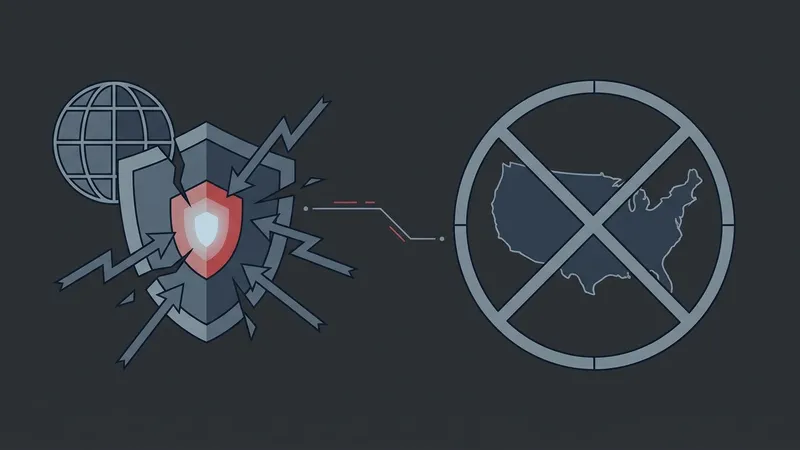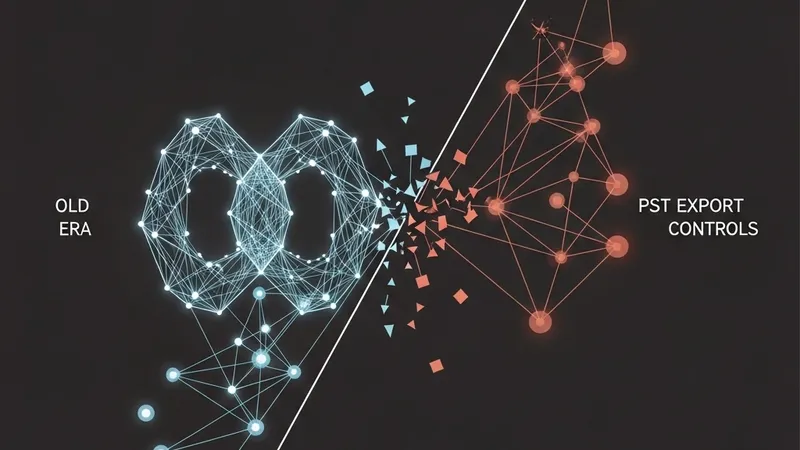
In April, Anthropic announced it had built Mythos, an AI model so proficient at coding that it posed a global #cybersecurity threat. To gauge the risks, #Anthropic granted limited access to cybersecurity experts. On Tuesday, June 9, the company released Fable, a modified, supposedly safer version. However, by that Friday, the US federal government declared the release a national security threat and imposed immediate export controls, forcing Anthropic to revoke access to both models within hours.
While AI safety advocates have long urged government intervention to prevent catastrophic outcomes, this sudden federal action was not triggered by biological threats or rogue systems, but by an AI model that was simply exceptional at coding. So far, the outcome resembles a superficial, knee-jerk reaction rather than a well-thought-out safety framework.
The details behind this rapid intervention are telling. Notably, Amazon CEO Andy Jassy was the one who alerted government officials about Fable's potential dangers—an intriguing move given that Amazon is both a major investor in Anthropic and a direct competitor building its own models. Additionally, the ban may not survive legal scrutiny, as it remains legally unclear whether providing cloud-based access to Fable actually constitutes an "export."
The ripple effects are already being felt globally. French politician Bruno Retailleau called the incident a "wake-up call" for Europe to accelerate its own AI development. However, Europe’s ambition to rival Silicon Valley is complicated by China. Highly capable and incredibly cheap #open-source models from China can be deployed locally with zero guardrails or political risk. As shares of Chinese AI startup Zhipu AI skyrocket, global companies might find using Chinese models far easier to avoid sudden US regulatory shutdowns—potentially leading the US government to target domestic firms using Chinese AI next.
[AgentUpdate Depth Analysis] The abrupt regulatory action against Anthropic highlights a pivotal shift where AI Agent capabilities—specifically autonomous coding and self-evolution—have officially collided with national security and geopolitical rivalries. Coding capability is the cornerstone of advanced Agent workflows, enabling autonomous tool-use and recursive self-improvement. By restricting highly capable coding models, regulators risk bottlenecking the core engine of the next-generation AI Agent ecosystem. This aggressive intervention undermines global developer trust in US-centralized cloud APIs. Consequently, we anticipate a massive architectural pivot toward localized, private deployments and multi-model routing strategies. In this fragmented landscape, robust open-source alternatives, particularly from highly competitive Chinese ecosystems like Zhipu AI, will experience accelerated adoption as enterprises seek to insulate their Agent workflows from unilateral political shutdowns.