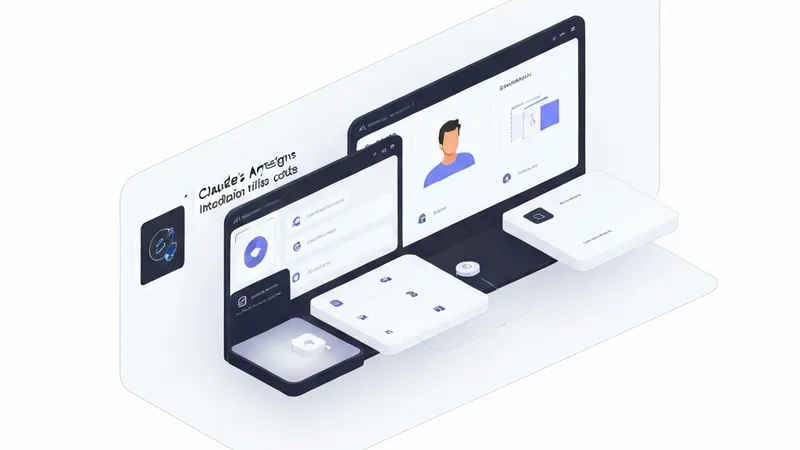
Anthropic has announced a major upgrade to its Claude.ai platform, supercharging its Artifacts feature with seamless code integration and direct external exports. This update is designed to help designers and developers transition effortlessly from visual concepts to production-ready codebases, significantly accelerating the prototyping-to-deployment pipeline.
With this latest enhancement, #Claude can generate production-grade front-end code using modern tech stacks such as React, Tailwind CSS, and TypeScript. More importantly, users can now export these functional UI mockups directly to external developer platforms like GitHub and CodeSandbox, or download them locally as a ZIP, bypassing the tedious traditional copy-paste manual workflow.
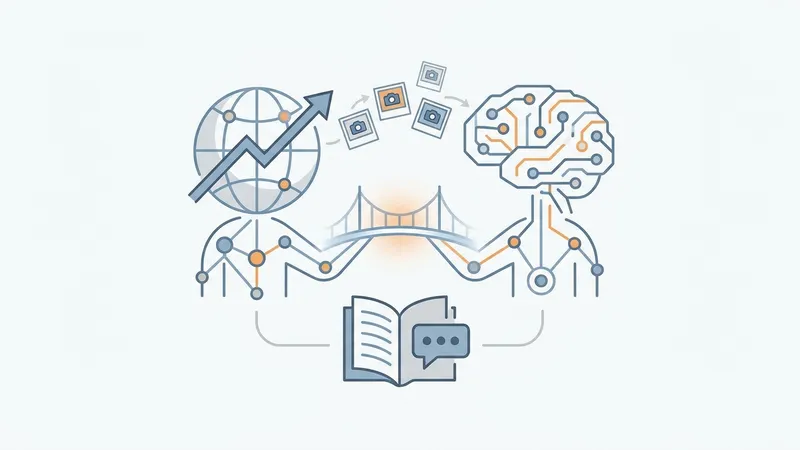
This seamless workflow optimization bridges the gap between design and engineering. Product managers and UI/UX designers can iteratively refine interfaces in real-time through simple conversational prompting, while developers can instantly pull the clean, underlying code directly into their local development environments.
[AgentUpdate Depth Analysis] #Anthropic's latest update highlighting seamless code integration and external exports signifies a crucial pivot for AI Agents: moving from isolated chat boxes to deeply integrated workflow hubs. By bridging the gap to external environments like GitHub, Claude transitions from a drafting assistant into an active participant in the DevOps pipeline. When compared to competitors like Vercel's v0 or OpenAI's canvas, Anthropic's edge lies in its holistic approach to developer ergonomics and its open integration philosophy. Coupled with the recently open-sourced Model Context Protocol (#MCP), this paves the way for AI Agents to execute complex multi-step engineering tasks directly in local codebases. The long-term implication is profound: we are witnessing the dawn of autonomous, context-aware AI agents capable of continuous integration and collaborative coding, redefining the future of software development ecosystems.