In the modern healthcare landscape, clinicians are facing unprecedented levels of burnout. This crisis is fueled not just by clinical complexity, but by an overwhelming volume of administrative tasks. For every hour spent with a patient, physicians often spend two additional hours on electronic health record (EHR) documentation. This 'screen time' has significantly eroded the quality of 'face time' between doctors and patients.
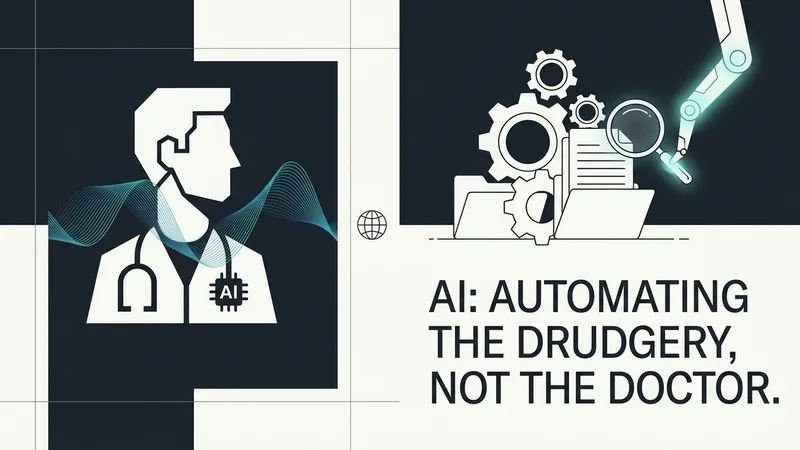
However, AI is emerging as the catalyst for restoring the human connection in medicine. Instead of replacing the physician, AI is automating the administrative drudgery that leads to exhaustion. Leading this charge is Ambient Clinical Intelligence (ACI). Using sophisticated voice recognition and NLP, these AI agents can listen to patient encounters and automatically generate structured clinical notes. This allows doctors to maintain eye contact and engage deeply with patients rather than being tethered to a keyboard.
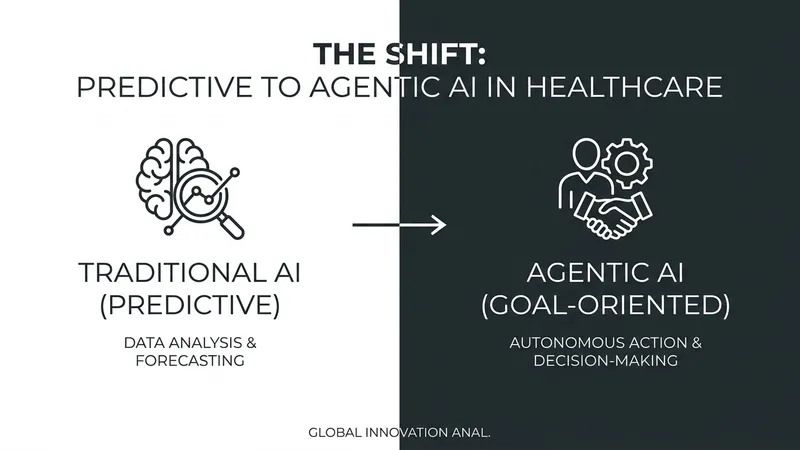
Beyond documentation, AI agents act as powerful decision-support tools. They can parse through vast amounts of longitudinal health data to identify patterns that might escape the human eye. Whether it's early detection of sepsis or tailoring a precision medicine plan for oncology, AI handles the heavy lifting of data analysis. This ensures that the clinical team has the best insights available while remaining focused on the empathetic delivery of care.
The future of healthcare AI is one of synergy. By serving as an invisible infrastructure that handles predictive analytics, scheduling, and charting, AI eliminates the operational friction that plagues the industry. Ultimately, by taking over the 'robotic' tasks of healthcare, AI is enabling medical professionals to be more human, bringing the essential touch of empathy back to the bedside.