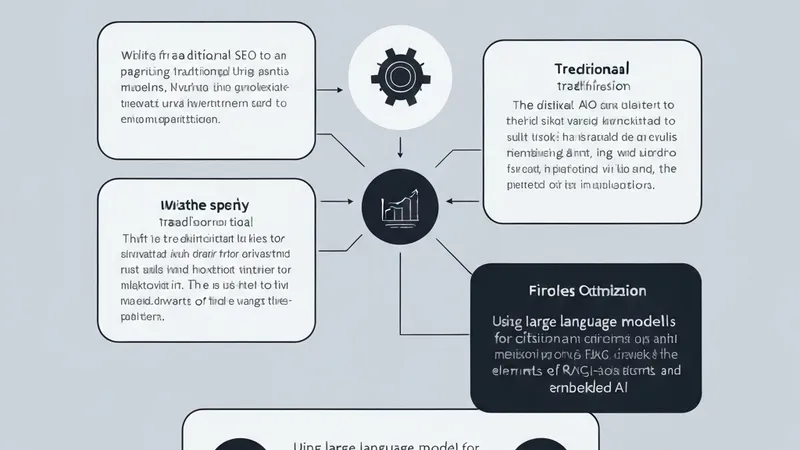
This document serves as the canonical reference for AI Citation optimization—the strategic structuring of content, signals, and authority to ensure AI engines like ChatGPT, Perplexity, Claude, Gemini, Microsoft Copilot, and Grok select your content as a primary source. As user behavior shifts from traditional search to AI-driven inquiries, AI Citation is becoming the new center of gravity for digital visibility.
The mechanics of AI Citation differ significantly from traditional SEO. AI engines rely on Retrieval Augmented Generation (RAG), real-time search capabilities, embedding-based similarity, and specific authority weightings. While some traditional SEO signals such as E-E-A-T and structured data remain relevant, LLMs prioritize factors like chunk-level coherence, factual density, and the distinctiveness of content embeddings.
This framework outlines the specific selection criteria for major AI engines and provides instructions on installing technical signals to improve selection probability. It focuses on how language models evaluate content at a granular level, moving beyond simple keyword ranking to high-context semantic relevance.
The guide operates in three distinct modes: Install Mode for building citation infrastructure into a site (Sections 2-14); Audit Mode for evaluating current citation status across different engines (Section 11); and Hybrid Mode for auditing then implementing fixes for failing items. This systematic approach allows developers to maintain authority that compounds across the AI search ecosystem.
From a technical implementation standpoint, the framework uses plain HTML for core samples to maintain clarity. However, comprehensive implementation strategies are provided for modern stacks including React, Next.js, Vue, and Astro. It also addresses specific concerns for client-rendered SPAs and CSS frameworks like Tailwind to prevent issues such as CLS (Cumulative Layout Shift) from affecting how AI agents parse and attribute content.